
Affordable Car Hire Croatia. Save up to 40%

Split Car Hire

SEARCH - COMPARE - SAVE

INTERFACE REVAMP

working with the plugin is more easy

tick-orange

No Credit Card Fees

tick-orange

SSL Secure

tick-orangetick-orangetick-orangetick-orange

Leading Car Suppliers

Free cancellation

Inclusive Rates

Unlimited Mileage

Compare and book cheap Car Hire in Croatia

Car Rentals Croatia

Introduction to Split and Why Rent a Car

Split, the second-largest city in Croatia, is a mesmerizing blend of ancient history and modern vibrancy. As the gateway to the Dalmatian coast and hundreds of enchanting islands, it serves as a primary hub for travelers seeking the sun-drenched beauty of the Adriatic. While the city itself is walkable and well-connected by ferries, the true magic of the region lies beyond the city limits, hidden in the rugged mountains, national parks, and secluded coves that public transport simply cannot reach efficiently.

Renting a car in Split is the key to unlocking this potential. It transforms a standard holiday into a bespoke adventure. Rather than being bound by rigid bus timetables or the high costs of private transfers, a hire car offers the ultimate freedom to explore at your own pace. Whether you wish to chase the sunset at a remote beach, visit the world-famous Plitvice Lakes before the crowds arrive, or take a spontaneous detour to a hilltop village, having your own vehicle is indispensable. For those planning a comprehensive Croatian road trip, securing reliable transport is the first step; you can start your journey by exploring options for Car Hire Croatia | Rent a Car in Croatia to understand the broader scope of touring the country.

About Split: A Brief Overview

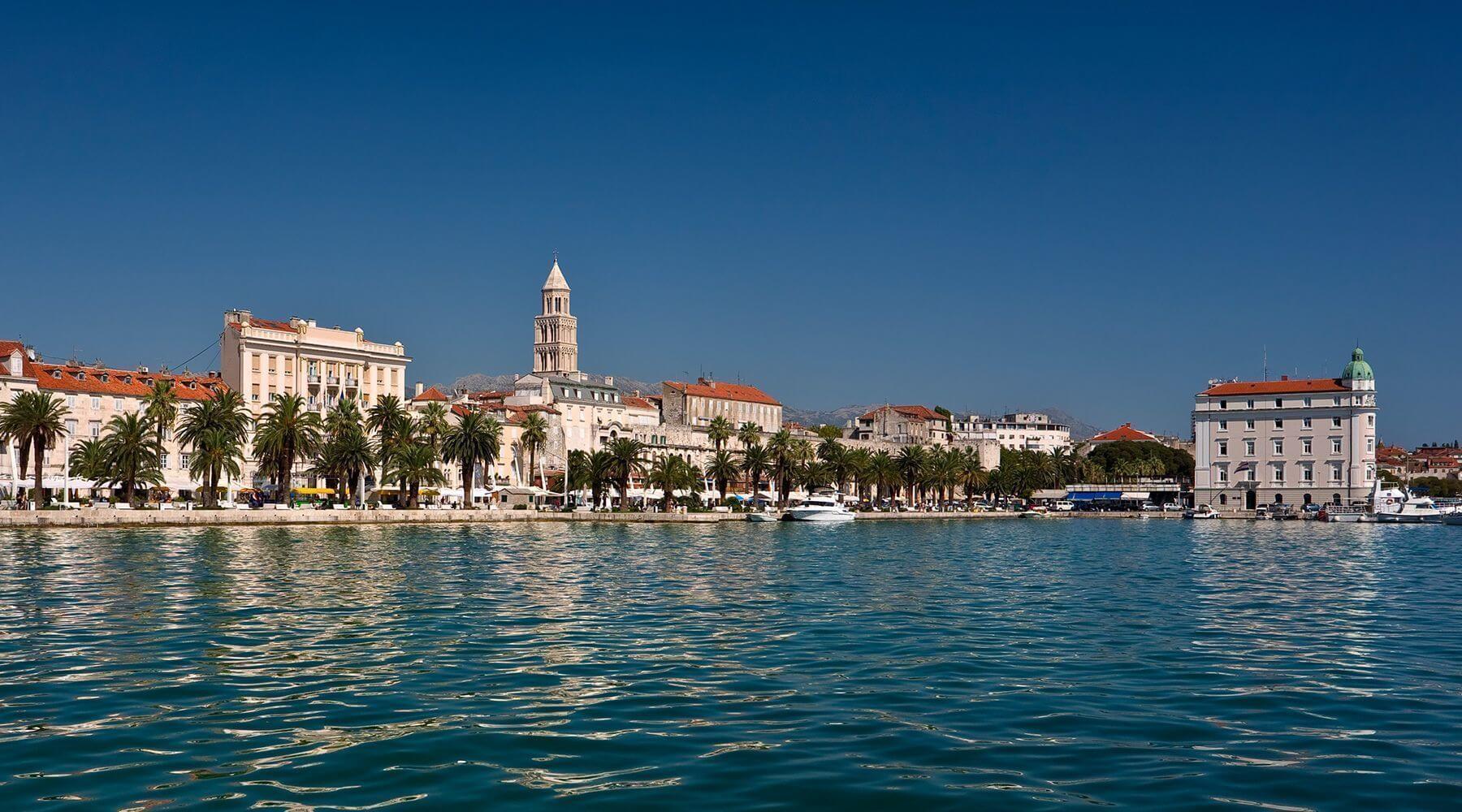
Split is a city unlike any other, anchored by the spectacular Diocletian’s Palace, a UNESCO World Heritage site that forms the very heart of the urban center. Built in the 4th century for the Roman Emperor Diocletian, the palace is not a fenced-off museum but a living, breathing part of the city. Within its walls, you will find narrow alleyways filled with bars, restaurants, and shops, creating a unique atmosphere where ancient columns stand alongside modern life.

Geographically, Split enjoys a prime location on a peninsula jutting into the Adriatic Sea. It is framed by the high coastal mountains of Mosor and Kozjak, providing a dramatic backdrop to the turquoise waters of the bay. The city’s climate is typically Mediterranean, characterized by hot, dry summers and mild, wet winters, making it an attractive destination year-round. However, it is the summer months that see the city burst into life, with the Riva (waterfront promenade) becoming a stage for socializing, dining, and enjoying the sea breeze.

Beyond the historical core, Split expands into distinct districts. To the west lies the Marjan Hill, a verdant park forest perfect for hiking and biking, while to the east, the city sprawls towards the commercial and residential suburbs. This layout means that while the Old Town is best experienced on foot, reaching the natural attractions and the surrounding region requires efficient transport, further emphasizing the value of a rental car.

Car Hire Locations in the City

When renting a car in Split, travelers generally have two main options: picking up the vehicle at the airport or picking it up in the city center. Split Airport, officially known as Resnik Airport, is located in Kaštela, approximately 20 to 25 kilometers west of the city center. For most international visitors, this is the most convenient pick-up point. The airport is small but busy, housing the offices of numerous local and international rental agencies. Picking up a car here allows you to avoid the cost of a taxi or shuttle bus into the city and lets you drive directly to your accommodation.

Alternatively, for those arriving by ferry from Italy or other Croatian islands, or for those who do not need a car for the first few days of their stay, city center locations are ideal. Many agencies have desks near the Split Ferry Port (the main bus and train station area) and in the surrounding streets. This option offers flexibility; you can enjoy the city without the worry of parking for a few days, and then hire a car when you are ready to venture out on day trips. It is worth noting that during the peak summer season, demand is incredibly high, so booking your preferred pick-up location in advance is crucial to guarantee availability.

Available Vehicle Types and Popular Choices

The type of vehicle you choose should depend heavily on your itinerary and the size of your travel party. The roads in and around Split vary from wide, modern highways to narrow, winding coastal roads and steep, mountainous tracks. Consequently, the “one size fits all” approach rarely works well here.

Economy and Compact Cars: These are by far the most popular choices for solo travelers and couples. Models like the Volkswagen Polo, Opel Corsa, or Renault Clio are fuel-efficient and easy to park in the narrow streets of Split’s older suburbs. They are perfectly adequate for driving on the coastal roads and highways. Their smaller size is a significant advantage when navigating tight parking spots near popular beaches like Bačvice or public garages in the city center.

Intermediate and SUVs: For families or groups of friends, an Intermediate car (like a VW Golf or Skoda Octavia) or a compact SUV (like a Nissan Qashqai) provides more comfort and luggage space. An SUV is particularly recommended if you plan on exploring the rugged terrain of the Dinaric Alps or visiting national parks where the roads might be rougher. The higher driving position also offers better visibility on winding coastal roads.

Minivans and People Carriers: If you are traveling in a larger group, a minivan is essential. Trying to squeeze a family of five plus luggage into a standard sedan will lead to an uncomfortable journey. Vehicles like the Renault Scenic or Volkswagen Touran offer ample space and ensure everyone arrives at the destination relaxed.

Driving in Split: Road Conditions, Traffic, and Parking

Driving in Split can be an exhilarating experience, but it comes with specific challenges that drivers must be prepared for. The main road network is generally excellent. The A1 Highway (Autocesta A1) connects Split to Zagreb in the north and Dubrovnik in the south (though there is a small border crossing section near Neum). This highway is a toll road, modern, fast, and safe. The Jadranska Magistrala (Adriatic Highway, D8) is the scenic coastal road. While it offers breathtaking views, it is often narrow, winding, and passes through many small villages, requiring drivers to be alert and cautious.

Traffic: During July and August, traffic congestion is a daily reality. The entrance to Split from the highway can get backed up, particularly during the morning rush hour and in the late afternoon when day-trippers return. The city streets can be crowded, and aggressive local driving styles—such as flashing headlights to signal overtaking and tight lane squeezing—are common. Staying calm and keeping to the right unless overtaking is the best strategy.

Parking: Parking is perhaps the biggest challenge in Split. The Old Town is largely a pedestrian zone, and parking in the immediate vicinity is extremely limited. There are three main zones for street parking, each with different time limits and prices. Zone 1 is usually strictly limited to shorter durations and is most expensive. It is often better to use paid public garages, such as the garage at the Ferry Port or the shopping mall parking lots, which offer more security and less stress about time limits. If you are staying in a hotel, always inquire if they provide private parking, as this is a valuable commodity in the city center.

Popular Destinations from Split: Day Trips and Excursions

One of the primary reasons for hiring a car in Split is the accessibility of some of Croatia’s most stunning attractions. The freedom of the open road allows you to curate a personalized itinerary that beats the tour bus crowds.

Plitvice Lakes National Park: A UNESCO World Heritage site, this is a must-visit. It is roughly a 2.5 to 3-hour drive from Split via the A1 highway. Having a car allows you to leave early in the morning to beat the massive crowds that arrive by bus later in the day, ensuring a more peaceful experience of the cascading waterfalls.

Krka National Park: Closer than Plitvice, Krka is about an hour’s drive from Split. It is famous for the Skradinski Buk waterfalls. With a car, you can explore less visited parts of the park, such as the Roski Slap waterfalls or the Visovac monastery island.

Trogir: Located just 30 minutes west of Split, Trogir is a charming medieval town on a small island. It is easily accessible by car and makes for a perfect half-day trip.

Omiš and the Cetina Canyon: Driving south on the D8 road offers spectacular views. Omiš is a pirate town located at the mouth of the Cetina River. It is a hub for adventure activities like zip-lining and rafting. The drive itself, hugging the cliffs above the sea, is unforgettable.

Exploring the North: If you wish to explore further afield, the road network connects you seamlessly to the rest of the country. You could drive north towards the Kvarner region. For example, if you are planning a multi-city trip, you might find it useful to look into Car Hire Novi Vinodolski | Rent a Car in Novi Vinodolski for a stopover on your way to the island of Krk or Cres. Similarly, if you plan to party at the famous festivals on Pag island, checking Car Hire Novalja | CroCarHire can help you plan the next leg of your journey from Split.

Local Tips for Visitors

To ensure a smooth driving experience in Split, consider these local tips. Firstly, always have your headlights on during the day; it is a legal requirement in Croatia, even when visibility is good. Secondly, be wary of the “Bura” wind. This is a strong, cold northwind that can blow with incredible force, particularly on the coastal roads. During severe Bura episodes, sections of the highway may be closed to high-sided vehicles, and driving can be hazardous.

Thirdly, familiarize yourself with the toll system. You can pay by credit card or cash at the toll booths, or purchase an electronic tag (ENC) if you plan on doing a lot of highway driving. Fourthly, when parking in smaller towns or near beaches, be careful of “illegal” parking attendors—usually locals who try to wave you into a spot and demand money. Only pay for official parking lots or zones marked by the local council.

Finally, if you are comparing driving cultures or costs across the country, it is interesting to note that driving in the continental north is quite different from the coast. For instance, renting a car in a continental city like Car Hire Čakovec | From €16/day | crocarhire.com will expose you to wide plains and agricultural landscapes, contrasting sharply with the coastal mountain roads of Split. Similarly, exploring the baroque north via Car Hire Varaždin | CroCarHire offers a stark difference to the Roman ruins of Dalmatia.

Best Time to Visit

The best time to visit Split largely depends on what you are looking for. The peak season runs from June to August. This is when the weather is hottest, the nightlife is buzzing, and all tourist facilities are open. However, this is also when the crowds are thickest, accommodation is most expensive, and traffic is at its worst. If you rent a car during this period, you must book months in advance.

The shoulder seasons—May to June and September to October—are widely considered the best times for a road trip. The weather is warm enough for swimming but not scorching, the roads are less congested, and accommodation prices drop significantly. Spring brings lush green landscapes, while autumn offers a grape harvest atmosphere.

Winter (November to March) is quiet. Some coastal restaurants and hotels close, but you will have the roads to yourself. It is a great time for sightseeing without the crowds, though you must be prepared for colder weather and rain.

Typical Costs and What Affects Prices

The cost of hiring a car in Split fluctuates dramatically based on supply and demand. In the low season, you might find an economy car for as low as €15-€25 per day. However, in July and August, that same vehicle can cost upwards of €60 to €100 per day.

Several factors affect the price:

  • Seasonality: The primary driver of cost.
  • Car Category: Luxury cars and SUVs command a premium, especially models with automatic transmission, which are less common in Europe.
  • Insurance: Basic insurance is usually included, but many drivers opt for “Super Collision Damage Waiver” to reduce their excess liability to zero. This adds a daily fee but provides peace of mind.
  • Additional Drivers: Adding a second driver often incurs a daily surcharge.
  • One-Way Fees: Picking up in Split and dropping off in Zagreb or Dubrovnik will usually trigger a one-way fee, which can be substantial.

Required Documents

To rent a car in Croatia, you must present specific documentation. Failure to provide these can result in the rental company refusing to release the vehicle.

  • Valid Driving License: EU citizens can use their domestic license. Non-EU citizens generally need an International Driving Permit (IDP) in addition to their national license, particularly if the national license is not in Latin script. The IDP must be obtained in your home country before you travel.
  • Passport or ID Card: A valid form of identification is required for the rental contract.
  • Credit Card: A credit card in the main driver’s name is essential for the security deposit (the “hold”). Most companies do not accept debit cards for this purpose, as they need a guarantee for potential damages.
  • Voucher: If you have pre-paid for the car online, bring the printed or digital voucher.

FAQ

Q: Is it safe to drive in Split?
A: Yes, it is generally safe. However, you must be alert to local driving habits and the narrow, winding nature of coastal roads. Defensive driving is recommended.

Q: Can I take the rental car on a ferry?
A: Most rental companies allow you to take cars to islands connected by public bridges or ferries, provided you notify them in advance. Popular islands like Brač and Hvar are accessible by ferry, but you must check your contract, as some companies prohibit taking cars on ferries due to the difficulty of providing roadside assistance on islands.

Q: What is the speed limit in Croatia?
A: In built-up areas, it is 50 km/h. On open roads, it is 90 km/h. On highways (Autocesta), it is 130 km/h. Speed cameras are common, and fines are issued on the spot.

Q: What type of fuel is common?
A: Unleaded petrol (Eurosuper 95 and 98) and Diesel (Eurodizel) are widely available. LPG is also common but less so than petrol. Always check the fuel policy (Full-to-Full is standard) to avoid high refueling charges.

Conclusion

Split is a jewel in the Adriatic crown, offering a rich tapestry of history, culture, and natural beauty. While the city itself captivates the imagination, the surrounding region—from the waterfalls of Krka to the rugged peaks of Biokovo—beckons to be explored. Renting a car in Split is more than just a logistical convenience; it is an invitation to discover the hidden heart of Dalmatia on your own terms. It grants you the autonomy to chase the sunrise on the Marjan hill or discover a secluded beach far from the tourist throngs.

By preparing the right documents, understanding the local driving conditions, and choosing the right vehicle for your adventure, you can ensure a stress-free journey. Don’t let the constraints of public transport limit your Croatian experience. Secure your vehicle, plan your route, and get ready to drive through one of the most beautiful coastlines in Europe. The road awaits.