

Start in Pula. Drive beyond it.
Pula is easy to explore on foot, but many of Istria’s beaches, coastal villages and inland towns are much easier to reach by car. Comparing car hire in Pula makes sense when you want to travel beyond the city centre, carry beach gear or luggage, or build several stops into the same day.
Use the booking engine above to compare available Pula car rental options for your dates. Check the total price and rental conditions—not only the headline rate—before choosing a vehicle.
Southern Istria
Reach beaches around Premantura, coastal villages and towns beyond the main bus routes.
City or airport
Compare the full cost and opening hours at both pickup types.
Match the trip
Compact for city parking; larger categories for passengers and luggage.
Read the terms
Review the deposit, excess, fuel, mileage and cross-border rules.
Find the right Pula car rental
Availability and prices change with the season, pickup point, rental length and vehicle type. Summer demand in Istria can be strong, particularly for automatic cars and larger family vehicles.
Searching early gives you a clearer view of the available options, but the right booking is the one whose full conditions match your trip. Open the rental terms and look beyond the daily price. A slightly higher rate may offer a more suitable fuel policy, lower deposit, useful mileage allowance or better pickup time.
If your plans are flexible, compare nearby dates and both city and airport pickup before deciding.
Pula city centre or Pula Airport?
The best pickup point depends on how you arrive and when you actually need the car.
Useful when Pula comes first
A city pickup can suit travellers arriving by bus, ferry or transfer, as well as visitors spending the first part of their stay in central Pula.
If you do not need a car every day, collecting it only for the road-trip portion of your holiday can avoid paying for unused rental days and city parking. Exact locations depend on supplier availability for your dates.
Drive as soon as you land
Airport pickup is often simpler when you want to drive immediately after arrival or return the vehicle just before departure.
Compare desk hours with your flight time and check the delayed-flight instructions. Our Pula Airport car rental guide covers this option in more detail.
Choose for the roads you will actually drive
The smallest car is not automatically the best value, and the largest is not always the most practical. Match the category to your itinerary and luggage.
Mini or compact
Practical for two people, city streets and tighter parking spaces.
Automatic
Worth comparing early because availability may be more limited in peak season.
Estate, SUV or people carrier
Compare these for families, several passengers or bulky luggage. Confirm the stated passenger and baggage capacity.
Convertible or premium
An optional comfort choice, but check luggage space and the complete excess and deposit conditions.
Rental companies normally show a vehicle category with an example model, not a guarantee of one exact make and model. Confirm the transmission, air conditioning and luggage capacity in the selected offer.
Seven details worth checking
A low headline rate is only useful when the full rental conditions fit your trip.
- Total price: mandatory charges, taxes and location or after-hours fees.
- Deposit and card: accepted card type, named cardholder and available credit.
- Excess and cover: the excess amount and any exclusions that still apply.
- Fuel policy: the required return level and possible refuelling charge.
- Mileage: whether it is unlimited or capped for the selected rate.
- Extras: additional drivers, child seats and their applicable charges.
- Cross-border travel: supplier permission, fees and required documents. See our cross-border guide.
Driving and parking in Pula
Central Pula has one-way streets, pedestrian areas and busy approaches around major sights. Follow local signs rather than assuming a roadside space is available for visitors.
Parking in the city
Pula Parking divides public parking into zones with different restrictions. Zone 0 is reserved for eligible residents and businesses, while central Zone 1 has a time limit; the Karolina area near the Arena operates under separate conditions.
Tolls, traffic and lights
Parts of the Istrian Y motorway are tolled by route and vehicle category. Allow more time on busy summer changeover days.
Passenger vehicles must use daytime or dipped headlights from 1 November to 31 March, as well as at night and when visibility is reduced.
Parking, toll and road conditions can change. Check the linked official sources before travelling.
Day trips from Pula by car
A rental car becomes most useful when the itinerary moves beyond central Pula.
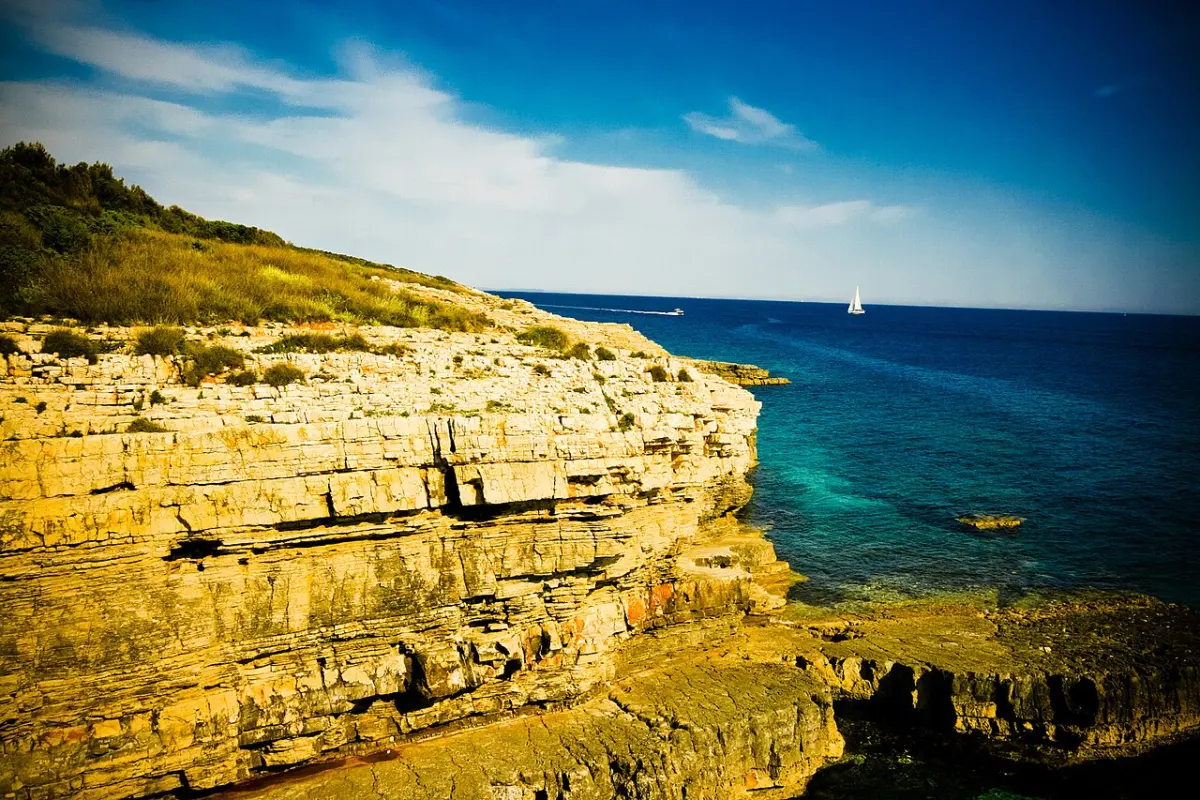
Cape Kamenjak and Premantura
Cape Kamenjak’s coves and tracks are spread across a protected landscape rather than one compact resort. Vehicle entry is charged, and conditions can change with the season and weather.
View official visitor information
Photo: Christian Harrer, CC BY 3.0. Image resized and converted to WebP.
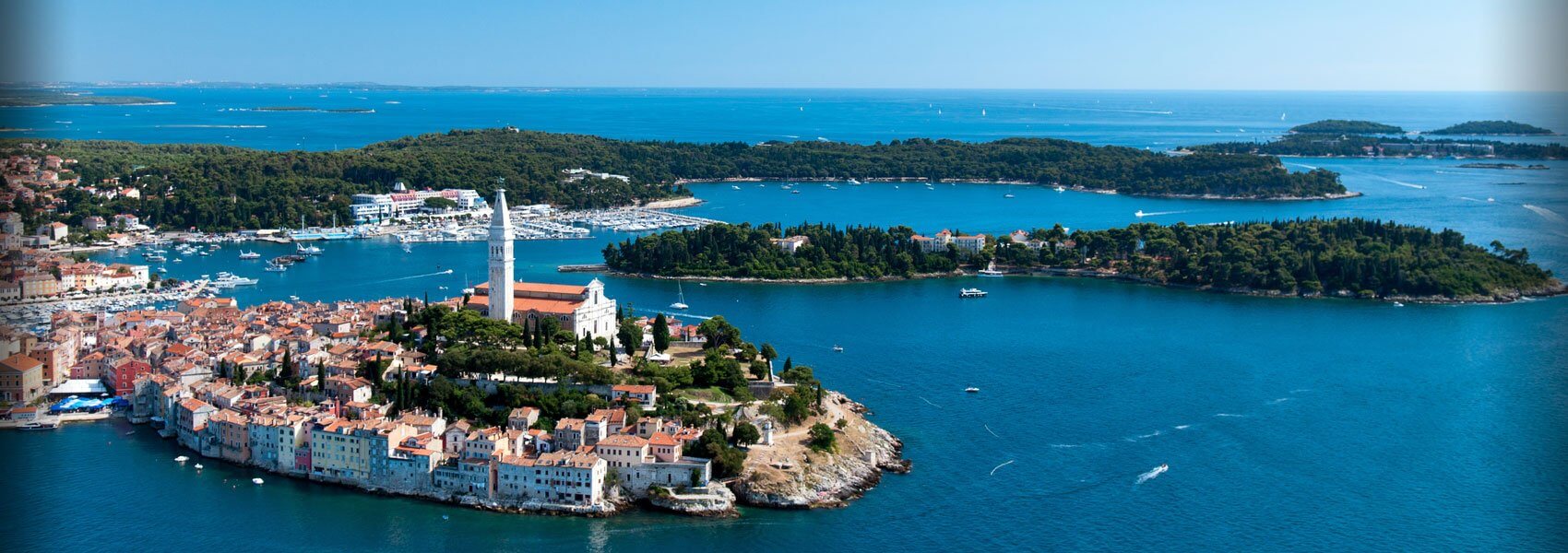
Rovinj
Rovinj works well as a coastal day trip or the next stop on a wider Istrian itinerary. Parking is generally outside the compact old town, so plan to finish the journey on foot.
Fažana and Brijuni departures
Fažana is the main passenger departure point for visits to Brijuni. The rental car stays on the mainland for a standard visitor trip, so check boat times and parking before leaving Pula.
Motovun and Grožnjan
Istria’s inland hill towns offer a different experience from the coast. Roads become narrower on some approaches, and visitor parking may be below or outside the historic centre.
Pula car rental FAQs
Can I rent a car in Pula city centre?
City pickup may be available depending on the supplier and your dates. Enter Pula as the pickup location and review the exact address, hours and collection instructions.
How can I find cheap car rental in Pula?
Compare the total cost for the same dates and category, then check the deposit, fuel policy, mileage and pickup fees. A low headline price is not necessarily the cheapest complete option.
Are automatic rental cars available?
Automatic categories appear when available. They are often fewer than manual cars, so compare early if automatic transmission is important to you.
Do I need an International Driving Permit?
It depends on your licence, issuing country and supplier conditions. Bring your original valid licence and check with the licensing authority and supplier before travel.
Can I drive into Slovenia or Italy?
Only when the selected supplier permits it and the trip is declared in advance. Fees, permitted vehicle groups and documentation vary.
Should I collect at the airport or in the city?
Choose the airport if you plan to drive immediately after landing. Choose a city location if you will stay in central Pula first or arrive by another form of transport.
Ready to compare?
Search your dates, read the complete rental conditions and choose the pickup point that fits your itinerary.
Planning a wider trip? Browse our Croatia car hire locations.