
Zagreb to Dubrovnik Road Trip — The Ultimate Itinerary
The Ultimate Croatian Road Trip
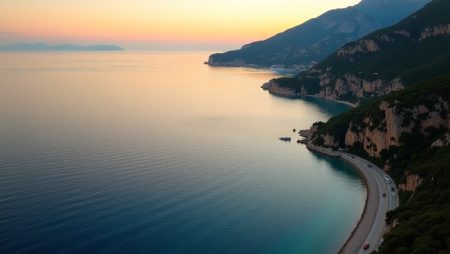
Driving from Zagreb to Dubrovnik is one of Europe’s great road trips. At around 400 kilometres, it takes you across Croatia from the Habsburg elegance of Zagreb to the marble streets of Dubrovnik, through mountains, past lakes, and along a spectacular coastline. This isn’t a journey to rush – it’s meant to be savoured over several days.
Whether you’re flying into Zagreb and heading to Dubrovnik, or doing the reverse, this road trip showcases Croatia’s incredible diversity. Let’s break it down into a manageable itinerary.
Day 1: Zagreb to Plitvice Lakes
Start your journey in Zagreb – grab a coffee and kremšnita (the local cream cake) in the morning, then hit the road. The drive to Plitvice Lakes takes about two hours via the A1 motorway.
Plitvice Lakes are Croatia’s most famous natural wonder. Sixteen terraced lakes cascade into each other through a limestone canyon, coloured in shades of turquoise, green, and blue. The park has well-maintained wooden walkway trails – allow at least four hours to explore properly. The upper lakes are more dramatic, while the lower lakes offer intimate waterfalls. Arrive early to beat the crowds, especially in summer.
Overnight: Plitvice area or continue to Korenica.
Day 2: Plitvice to the Dalmatian Coast
From Plitvice, head south through the mountain scenery of Lika. This region feels remote – ancient villages, empty roads, and the occasional Restaurant serving local specialities like lamb and trout from the rivers.
Stop in Karlovac for lunch – this historic town has a well-preserved Renaissance centre and is known for its breweries. The drive from here to the coast takes about two hours.
Reach the Dalmatian coast at either Zadar or Šibenik. Zadar has a fascinating old town with Roman ruins and the unique Sea Organ – pipes built into the promenade that make music from the waves. Šibenik is quieter but has the impressive Cathedral of St. James, a UNESCO World Heritage site.
Overnight: Zadar or Šibenik.
Day 3: Krka Water Road
From Šibenik, it’s just 20 minutes to Krka Waterfalls. Smaller than Plitvice but equally beautiful, Krka has several waterfalls you can swim near – a unique experience. Allow half a day here.
In the afternoon, continue down the spectacular coastal road. The drive from Šibenik to Split takes about 90 minutes, passing through beautiful scenery. Stop at Primošten – this tiny town on a peninsula has a beautiful church on an island connected by a causeway.
Reach Split in the late afternoon. The city is built around Diocletian’s Palace, one of the best-preserved Roman palaces in the world. Wander the narrow streets of the old town, climb the cathedral’s bell tower for views, and enjoy dinner in a harbour-side restaurant.
Overnight: Split.
Day 4: Split, Trogir, and the Makarska Riviera
Spend the morning exploring Split properly – the Diocletian’s Palace cellars are fascinating, and the waterfront promenade is perfect for a morning stroll.
Just 30 minutes away is Trogir, another UNESCO World Heritage site. This tiny island town is a medieval gem, with a cathedral featuring works by master sculptor Ivan Meštrović and a clock tower with views over the red-tiled roofs.
In the afternoon, drive south along the Makarska Riviera. This stretch of coast is framed by the Biokovo mountain range – dramatic cliffs plunging into the sea. Stop at one of the many beaches – thepebble coves near Brela are particularly beautiful.
Overnight: Makarska or continue to Omiš.
Day 5: The Pelješac Peninsula
From Makarska, continue south through the tunnel (avoiding the scenic but slow coastal road around the peninsula). The Pelješac Peninsula is famous for its wine – particularly the bold red Plavac Mali.
Stop in Ston – this fortified town has the longest walls in Europe after the Great Wall of China. The old town is beautifully preserved, and the salt flats nearby still produce salt using traditional methods.
From Ston, drive to Orebic, the gateway to Korčula island. You can take the ferry across, or continue along the peninsula’s beautiful southern coast.
Overnight: Orebic or Korčula.
Day 6: Dubrovnik
The final stretch to Dubrovnik takes about 90 minutes from Orebic. The old town is everything you’ve heard – marble streets, red-tiled roofs, and fortified walls rising dramatically from the sea.
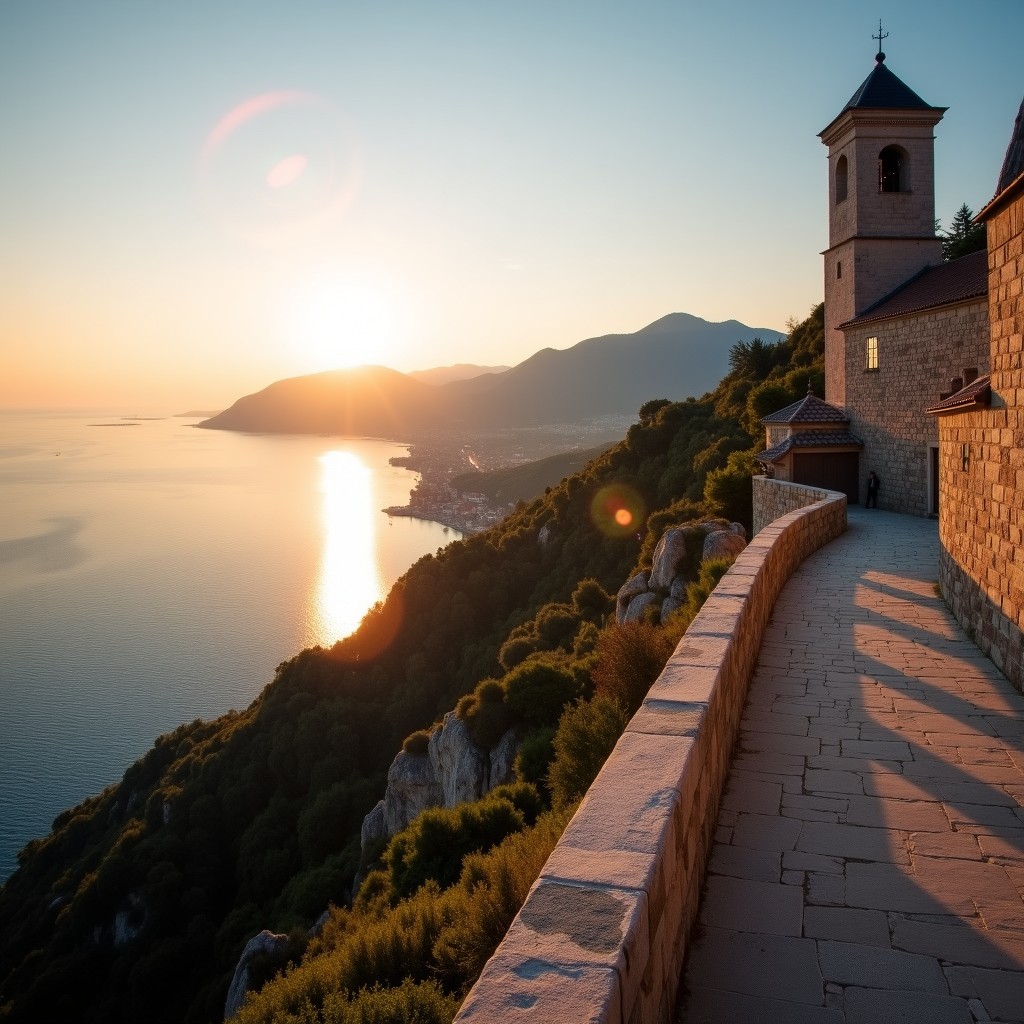
Walk the city walls for the best views – allow two to three hours. The old town is pedestrian-only, so park outside the walls and walk in. The cable car to Mount Srđ offers panoramic views over the city and islands.
Dubrovnik has excellent restaurants and nightlife – enjoy a seafood dinner in the old town to end your road trip in style.
Essential Road Trip Tips
Driving Distances and Times
The full Zagreb to Dubrovnik drive can be done in about five hours on the motorway, but that defeats the purpose. Spread across six days, you’ll drive about 500 kilometres total – very manageable with plenty of stops.
Toll Roads
Croatia has toll booths on the A1 motorway. You can pay with credit card or cash (euro or kuna). The cost from Zagreb to Split is around €20-25. Keep your toll ticket to pay at the exit.
Car Hire
Collect your hire car at Zagreb Airport and drop it in Dubrovnik – this is the most convenient option. One-way rentals typically have a drop-off fee, but it’s worth it for the flexibility. Book early for summer travel.
When to Go
May, June, and September offer the best combination of good weather, smaller crowds, and lower prices. July and August are busy, hot, and expensive. Winter brings rain and some road closures in mountain areas.
What to Pack
Bring comfortable shoes for walking in historic towns, swimwear for beaches and waterfalls, a reusable water bottle, and a camera. Sun protection is essential – the Croatian sun is strong.
Final Thoughts
The Zagreb to Dubrovnik road trip is a journey through Croatian history, geography, and culture. From continental Europe’s Habsburg legacy to Mediterranean island life, this drive showcases why Croatia has become one of Europe’s most beloved destinations. Take your time, stop often, and enjoy the ride.