
Introduction to Zadar and Why Rent a Car
Zadar, a city on Croatia’s stunning Dalmatian coast, is often described as the perfect blend of ancient history and modern vibrancy. While cities like Dubrovnik and Split often steal the spotlight, Zadar offers a more authentic, less crowded experience, making it an increasingly popular destination for savvy travelers. However, to truly unlock the magic of this region, relying solely on public transport or organized tours can be limiting. This is where the immense value of car hire comes into play.
Renting a car in Zadar provides the freedom to explore the diverse landscapes of Dalmatia at your own pace. From the cascading waterfalls of Krka National Park to the secluded beaches of the surrounding archipelago, having a vehicle allows you to escape the tourist hubs and discover the hidden gems that make Croatia so special. Public transport along the coast can be infrequent, particularly when trying to reach remote villages or inland natural parks. By securing a rental car, you transform your holiday from a standard sightseeing trip into a personalized adventure, where you can chase the sunset, stop at roadside taverns for local delicacies, and carry your beach gear without hassle. Whether you are landing at Zadar Airport for a summer vacation or arriving by ferry, having your own set of wheels is the key to unlocking the full potential of the Croatian coast.
About Zadar
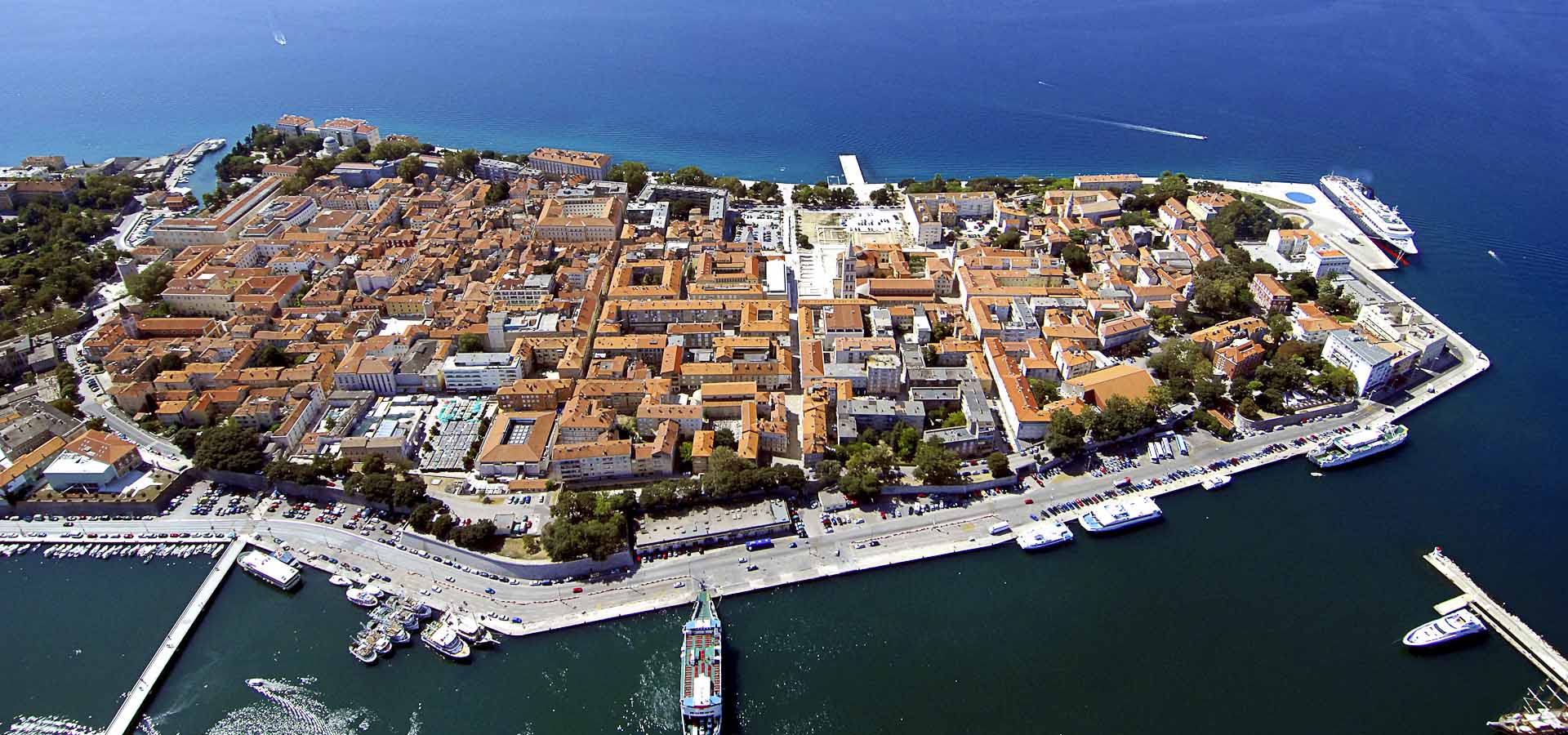
Zadar is a city of contradictions in the best possible way. It is one of the oldest continuously inhabited cities in Croatia, with a history stretching back over 3,000 years. Walking through the Old Town, you are surrounded by Roman ruins, medieval churches, and Venetian fortifications. The city is famous for its unique modern installations, specifically the Sea Organ, which creates music from the movement of the waves, and the Sun Salutation, a solar-powered light installation that creates a mesmerizing show after dark. These attractions have put Zadar firmly on the map, but the city is also a vital transit hub, with ferries connecting the mainland to the islands of Ugljan and Pašman.
Geographically, Zadar sits on a narrow peninsula, sandwiched between the azure waters of the Adriatic Sea and the rugged mountains of the hinterland. This prime location makes it an ideal base for exploration. To the north lies the Velebit mountain range and the entrance to the dramatic Zrmanja River canyon, while to the south, the coast stretches out towards Šibenik and Split. The city itself is walkable, but the surrounding region is vast and varied. To appreciate the contrast between the bustling Roman Forum in the city center and the serene, olive-grove-covered hills of the nearby islands, a car is the most efficient tool for a traveler.
Car Hire Locations in the City
When arranging a rental in Zadar, travelers generally have two main options: picking up the vehicle at Zadar Airport (ZAD) or collecting it from one of the downtown locations. Zadar Airport, located in Zemunik Donji, is approximately 8 kilometers from the city center. It is the most convenient point for collection, especially if you are arriving by air. The airport hosts a wide array of international and local rental agencies, ensuring competitive rates and a variety of vehicle choices. Most desks are located within the terminal or just a short walk away in the adjacent parking lots, making the transition from flight to road seamless.
For those arriving by bus, train, or ferry, downtown rental offices are scattered throughout the city. Many are situated near the main bus station or along the main thoroughfares leading into the Old Town. While these locations are accessible, traffic in the city center can be dense, and navigating the one-way system immediately upon collection can be stressful for unfamiliar drivers. Therefore, the airport remains the preferred pickup point for most visitors. It allows you to get your bearings on the wider highway roads before tackling the narrower streets of the city center. If you are planning a one-way trip, perhaps driving north to Istria or south to Dubrovnik, it is worth comparing prices for different drop-off points. For example, if your itinerary starts in the north of the country, you might look into Car Hire Čakovec or Car Hire Varaždin and drive down to Zadar, enjoying the scenic route through the interior.
Available Vehicle Types and Popular Choices
The type of vehicle you choose in Zadar should largely depend on your itinerary and the size of your travel party. For solo travelers or couples on a romantic getaway, the “Economy” or “Compact” class is the most popular choice. These vehicles, such as the Volkswagen Polo or Opel Corsa, are perfect for the narrow streets of Dalmatian old towns and offer excellent fuel efficiency, which is a significant bonus given the fluctuating fuel prices in Europe. They are also easier to park in the limited spaces available near popular beaches.
Families or groups of friends often opt for “Intermediate” or “Full-size” cars, such as the Skoda Octavia or a compact SUV. These offer more trunk space for luggage—a crucial factor for longer trips—and more legroom for passengers. SUVs are increasingly popular not just for comfort, but for the higher driving position they offer, which is beneficial on winding coastal roads where visibility is key. However, be mindful that large SUVs can be difficult to maneuver in ancient town centers. For those looking to travel in style, convertibles are a tempting option, allowing you to feel the warm Bura wind as you drive along the coast, though they come with a premium price tag. If you are planning to explore the northern Adriatic islands or the coastline towards the Kvarner region, you might consider Car Hire Novi Vinodolski as a reference point for vehicle availability in that specific coastal micro-region.
Driving in Zadar: Road Conditions, Traffic, and Parking
Driving in Croatia is generally a pleasant experience, but Zadar presents its own set of quirks that drivers should be aware of. The road conditions on the main highways and larger state roads are excellent. The A1 motorway (Autocesta) connects Zadar to the rest of the country, making long-distance travel fast and safe. However, once you leave the main roads and venture into the Old Town or smaller villages, the streets can be narrow, cobblestoned, and confusing. The city center is a maze of one-way streets, and drivers must be vigilant for pedestrians and cyclists who often share the road space.
Traffic is rarely a major issue outside of the peak summer months (July and August). During this high season, however, the influx of tourists can lead to congestion, particularly near the ferry ports and the entrance to the Old Town. Parking is the biggest challenge for drivers in Zadar. The Old Town is largely a pedestrian zone, and parking on the peninsula is strictly regulated. You will find “Zone 1” and “Zone 2” parking areas, which are paid parking zones. Zone 1 is closest to the center and the most expensive, often filling up early in the day. It is highly recommended to book accommodation that offers private parking or utilize the larger public garages on the outskirts of the Old Town, such as the “Kolovare” parking area near the beach. Always check the signage, as parking violations are strictly fined, and wheel clamping is not uncommon for repeat offenders or serious breaches.
Popular Destinations from Zadar
One of the primary reasons to rent a car in Zadar is the proximity to some of Croatia’s most breathtaking natural attractions. Topping the list is the Krka National Park, located roughly an hour’s drive south of Zadar. Home to the famous Skradinski Buk waterfalls, the park offers wooden boardwalks that wind through the river system, offering a cool respite from the summer heat. Further inland lies the Plitvice Lakes National Park, a UNESCO World Heritage site. While further away (about a 2-hour drive), it is easily manageable in a day trip with a rental car, allowing you to arrive early to beat the tour bus crowds.
If you prefer coastal exploration, driving north offers equally rewarding experiences. The drive towards the island of Pag is spectacular. You can drive across the Pag Bridge and explore the “Moonlike” landscape of the island, famous for its cheese and salt production. For those continuing their journey north along the coast, the drive offers stunning views of the Velebit mountain range dropping into the sea. This route eventually leads towards the Kvarner region. If your itinerary involves exploring the party zones of the northern islands, you might research Car Hire Novalja to compare logistics for staying in that specific area.
Closer to Zadar, a short drive will take you to the charming town of Nin, known for its “Queen’s Beach” and the smallest cathedral in the world. The Royal Vineyards of Ivan Dolac are also accessible by car, offering a taste of the local terroir that public transport rarely reaches.
Local Tips for Visitors
Navigating the local driving culture requires a bit of insider knowledge. Firstly, be aware of the “Bura.” This is a cold, dry wind that blows from the mainland towards the sea. While it clears the skies and offers incredible visibility, it can be fierce. In winter and late autumn, the Bura can be strong enough to close bridges and sections of the highway. In summer, it is usually pleasant but can catch drivers off guard on exposed coastal roads. Listen to local weather warnings before setting out on long drives.
Secondly, familiarize yourself with the toll system. The A1 motorway is a toll road. You can pay by cash or card at the booths, or purchase an ENC (Electronic Toll Collection) tag from a local office, which saves time and often offers a discount. If you are planning extensive travel across the country, comparing rental rates locally is wise. For a broader overview of options and general advice on driving regulations throughout the nation, you can visit Car Hire Croatia. Lastly, keep a spare pair of glasses in the car if you wear them for driving; this is a legal requirement in Croatia, and police checks are not uncommon.
Best Time to Visit
The best time to visit Zadar largely depends on what you are looking for. For drivers, the shoulder seasons of late May to early June and September are arguably the best times. During these months, the weather is warm enough for swimming, but the roads are significantly quieter than in July and August. Parking is easier to find, and the queues for ferries and attractions are shorter. The scenery is also at its best; spring brings lush greenery to the hinterland, while autumn offers a golden hue to the vineyards.
July and August represent the peak season. This is when the city is at its most vibrant, with festivals, open-air concerts, and a bustling nightlife. However, this comes with heavy traffic, inflated rental prices, and a struggle for parking spots. If you must visit during these months, plan your drives for the early morning to secure parking. Winter driving is also an option, offering a peaceful, misty atmosphere, but you must be prepared for the strong winds and reduced daylight hours.
Typical Costs and What Affects Prices
The cost of hiring a car in Zadar fluctuates wildly based on supply and demand. In the low season (November to March), you might secure a compact car for as little as €15 to €20 per day. However, in the height of summer, that same vehicle could cost upwards of €60 to €100 per day, or even more if demand outstrips supply. Booking at least two to three months in advance is the most effective way to lock in a reasonable rate.
Several factors affect the final price beyond the base rental fee. Insurance is the biggest variable. Basic Collision Damage Waiver (CDW) is usually included, but it often comes with a high excess (deductible). Purchasing “Super CDW” or “Zero Excess” insurance will increase the daily rate but provides peace of mind against scratches and minor damages common on narrow Croatian roads. Other costs include young driver fees (for drivers under 25), additional driver fees, and one-way rental fees. Fuel policies also matter; a “Full-to-Full” policy is standard and cheapest if you refill the tank yourself, whereas “Full-to-Empty” policies often leave you paying for fuel you don’t use.
Required Documents
To rent a car in Zadar, you must present a valid driving license. For citizens of the EU, a standard national license is sufficient. For visitors from outside the EU (such as the USA, Canada, or Australia), an International Driving Permit (IDP) is often required in conjunction with your national license. This is a strict requirement enforced by rental agencies to ensure the license is recognized by local authorities.
In addition to the license, you will need a valid passport or national ID card and a credit card in the name of the main driver. The credit card is essential for the security deposit (the “hold” amount for the insurance excess). Debit cards are rarely accepted for the deposit, though some agencies may accept them for the rental payment itself. It is crucial to check the specific policy of your chosen rental agency regarding card types before you arrive to avoid being denied the vehicle at the desk.
FAQ
Is it safe to drive in Zadar at night?
Yes, it is generally safe. The main roads are well-lit, and crime rates are low. However, watch out for pedestrians walking on the roadside in rural areas and be mindful of the narrow streets in the Old Town.
Can I take my rental car on a ferry to the islands?
Yes, most rental cars are allowed on ferries, such as those to Ugljan or Pašman. However, you should notify the rental agency in advance, as some contracts restrict taking the car off the mainland. Always check the terms and conditions.
What is the speed limit in Zadar?
Within the city limits and built-up areas, the speed limit is generally 50 km/h. On open roads, it is usually 80 km/h, and on the A1 motorway, the limit is 130 km/h. Speed cameras are in use, so adhere to the limits.
Do I need to pay for parking on Sundays?
In many zones in Zadar, parking is free on Sundays and public holidays. However, this can vary by zone, so always double-check the instructions on the parking machine or the local parking app to avoid a fine.
Conclusion
Zadar is a city that begs to be explored, and the freedom of a rental car is the key to unlocking its full splendor. From the mesmerizing sounds of the Sea Organ to the rugged beauty of the Velebit mountains and the turquoise waters of Krka National Park, having a vehicle allows you to curate your own Croatian story. Don’t let the constraints of bus schedules limit your horizons. Whether you are planning a quick city break or a grand tour of the Adriatic, hiring a car is the most practical and rewarding choice. Prepare your documents, book early to secure the best rates, and get ready to discover the magic of Zadar and beyond.