

Step off the ferry. Start the road journey from Split.
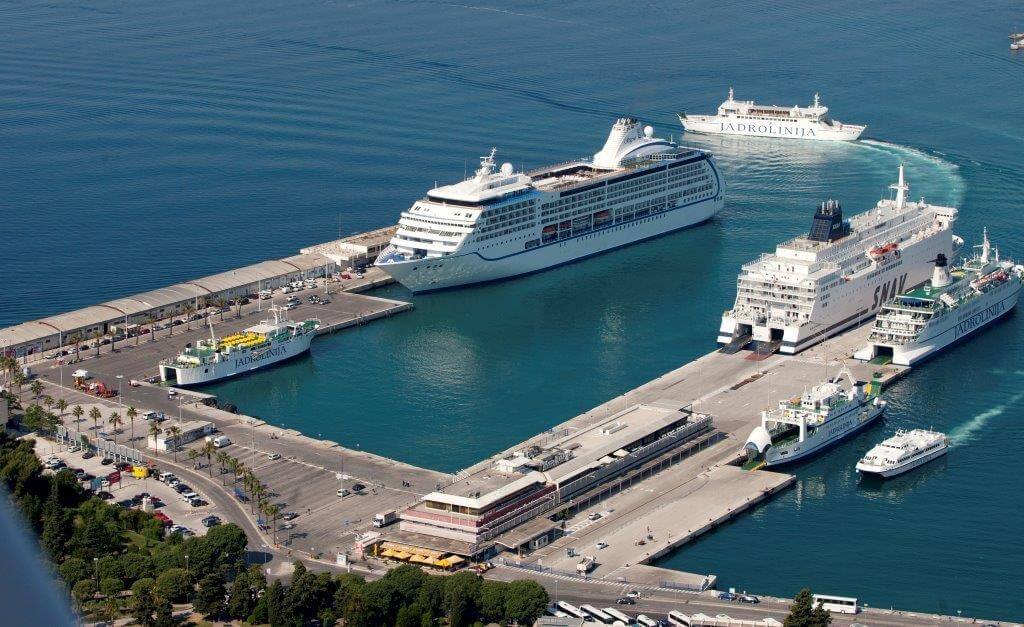
Split Port car hire is most relevant to travellers arriving by ferry, catamaran, cruise or nearby bus and rail services who want to continue beyond the city by road. The harbour area is busy and compact, so the exact collection address matters more than a generic promise that a rental desk is 'at the port'.
Use the booking engine above to compare current availability for your dates. Compare the complete rental conditions—not only the headline price—because the deposit, excess, fuel policy, mileage, opening hours and location instructions can differ between offers.
Compare like with like by using the same driver details, dates and vehicle category. A lower initial rate can be less suitable when its payment-card, collection, mileage or return conditions do not fit the journey.
Ferry arrivals and onward Dalmatian routes
Independent onward journeys, luggage and multi-stop travel beyond the easiest public-transport route.
Confirm the address
Read the exact desk, meeting-point, shuttle or office instructions before arrival.
Choose usable space
Balance parking convenience with the true passenger and luggage requirements.
Review the total
Check the deposit, excess, card, fuel, mileage and location-specific conditions.
Collect near the port, elsewhere in Split or at the airport?
Compare the walking distance, opening hours and complete rental terms for the actual collection address.
Port-area collection
Useful when the confirmed office is convenient to your arrival. Check whether the location is genuinely walkable with luggage or requires a representative, shuttle or taxi.
City or airport alternative
A central Split office can suit a later collection after sightseeing. Split Airport is a separate pickup area near Trogir and makes more sense for a flight-aligned journey.
Read the rental terms before choosing
Two similar-looking vehicles can have materially different conditions. Open the details for the exact offer instead of relying on a general promise about the destination.
Deposit and payment card
Check the deposit amount, accepted card type, named cardholder and available credit required at collection. Requirements are supplier-specific.
Excess and cover
Understand the excess, what the included protection covers and which exclusions remain. Keep supplier cover separate from any independent policy.
Fuel and mileage
Note the required return fuel level and whether mileage is unlimited or capped. Estimate the route before accepting a limit.
Drivers and extras
Review age conditions, additional-driver charges, child seats, seasonal equipment and out-of-hours fees where applicable.
Cross-border and ferry travel
Never assume either is included. Obtain supplier permission, permitted-country or ferry conditions, fees and required documents in advance.
Cancellation and amendments
Read the selected rate’s own deadline, refund and no-show conditions. Terms can differ between offers from the same supplier.
Leaving Croatia? Read our Croatia car-hire cross-border guide and confirm the selected supplier’s current written conditions.
Choose for the road, passengers and luggage
Rental results normally show a category and example model, not a guarantee of one exact make. Check transmission, capacity and equipment in the chosen offer.
- Mini or compact: often convenient for two travellers, urban approaches and tighter parking.
- Automatic: compare early when required because availability may be lower than for manuals.
- Estate or SUV: useful when luggage space matters; do not select only for appearance.
- People carrier: compare the stated seat and baggage capacity for a group before confirming.
Practical driving from Split Port
Use current signs and official road information on the day. Traffic, parking, ferry and road conditions can change.
Harbour congestion
Ferry, cruise, bus and local traffic share a compact waterfront area. Allow a buffer and do not arrange an unrealistically tight collection after arrival.
Old town access
Diocletian's Palace and the surrounding historic core are best explored on foot. Confirm accommodation access and parking before driving into central Split.
Ferry travel with the car
Passenger catamarans and vehicle ferries are not interchangeable. Confirm the sailing carries vehicles and that the rental supplier permits the trip.
Official planning links: Jadrolinija travel information · HAK live road and ferry information · Croatian Motorways toll information.
Where the rental car becomes useful
Keep enough time for parking, road conditions and unplanned stops rather than measuring the day only by map distance.
Split
Spend time in the historic centre before collecting if the car is only needed for the onward itinerary.
Trogir
A useful first regional stop, though approach traffic and parking need planning in busy periods.
Omiš and the Cetina area
Continue south-east for coastal and inland stops without relying on a fixed excursion schedule.
Split Port car rental FAQs
Can I collect a rental car directly at Split Port?
Some offers may use an office near the harbour, but locations vary. Confirm the exact address, walking route and collection instructions before booking.
Do I need a car while staying in Split old town?
Usually not. The centre is walkable; collect when the road-trip part begins or when the accommodation requires a car.
Can I take the rental car onto an island ferry?
Only with supplier permission and on a vehicle-carrying sailing. Check route restrictions, fees and assistance coverage.
Is Split Airport close to Split Port?
They are separate pickup areas. Allow for the road journey and compare whether airport or city collection better matches your arrival.
Compare Split Port car hire
Search your dates, compare complete terms and select the pickup option that fits the trip.
Planning another stop? Browse all car hire locations in Croatia.