
Croatia Ferry Guide: Island Hopping by Car in 2026
Croatia Ferry Guide: Island Hopping by Car in 2026
Taking your hire car on a ferry opens up a completely different side of Croatia — one that most visitors never experience. With over a thousand islands scattered along the Adriatic coast, the ferry network is your gateway to pristine beaches, medieval towns, and hidden coves that are simply impossible to reach by public transport. This Croatia ferry guide covers everything you need to know about exploring the islands with your own vehicle.
Whether you’re planning a day trip to Brač, a wine-focused weekend on Korčula, or an adventure to the untouched beauty of Vis, having your car on the island changes everything. No more rushing for the last bus, no more expensive taxis, no more missing that perfect secluded beach because it’s a 40-minute walk from the nearest town.
Why Take Your Hire Car on a Ferry?
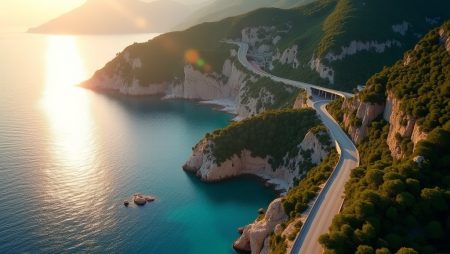
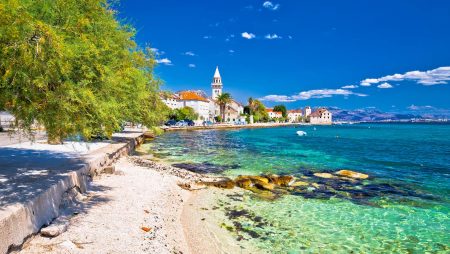
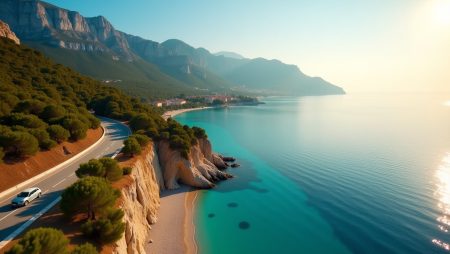
Croatia’s coastal roads offer breathtaking views, but the islands are where you’ll find some of the country’s most pristine beaches, charming villages and hidden coves. Having your own car on an island means freedom to explore at your own pace, discover secluded spots, and carry all your beach gear without lugging it on foot.
Public transport on Croatian islands can be limited, especially outside peak season. A car gives you access to remote beaches, hilltop viewpoints, and family-run konobas (taverns) that tour buses simply cannot reach. On islands like Hvar and Brač, the interior villages offer a completely different experience to the coastal tourist hubs — and you’ll need wheels to reach them.
There’s also the practical side. If you’re arriving by plane at Split Airport or Dubrovnik Airport, picking up a hire car and heading straight to the ferry is often faster and more convenient than navigating public transport with luggage.
Key Ferry Routes for Cars
Split to Hvar (Stari Grad)
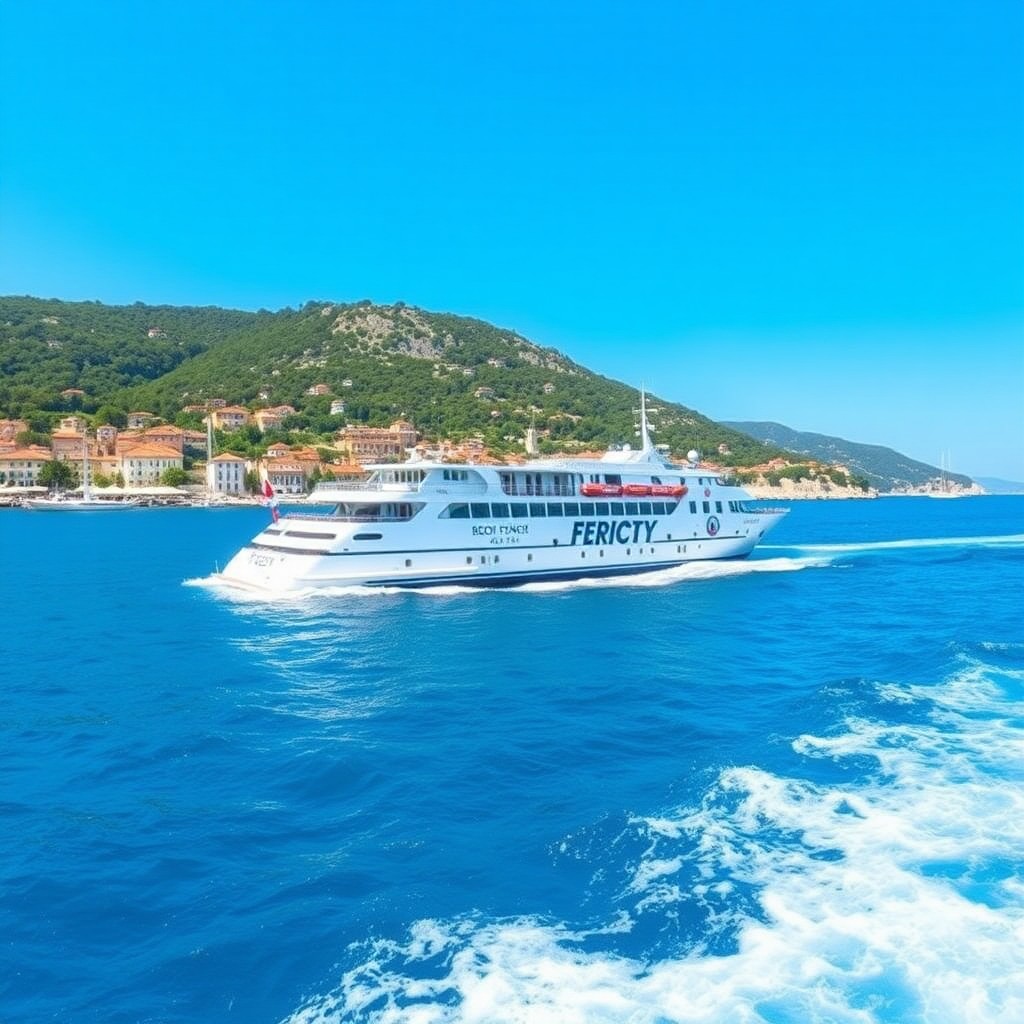
The Split to Hvar ferry is one of the most popular routes for good reason. Jadrolinija operates car ferries to Stari Grad, taking about two hours. The drive from Stari Grad to Hvar Town takes roughly 30 minutes along winding coastal roads with spectacular views. From Stari Grad, you can also drive to Jelsa on the north coast or explore the island’s lavender fields and abandoned villages.
Split to Brač (Supetar)
Car ferries run frequently from Split to Supetar on Brač Island — often every 30 minutes in summer. The crossing takes around 50 minutes, making it ideal for a day trip. From Supetar, you can drive across the island to Bol and the famous Zlatni Rat beach, or explore the interior stone quarries that supplied marble for the White House.
Drvenik to Korčula (Orebić)
For Korčula Island, the car ferry from Drvenik (on the mainland, about 90 minutes drive from Split) to Orebić takes just 15 minutes. This is often quieter than the Split routes and gives you easy access to Korčula Town and the island’s excellent wine region. You can also take passenger-only catamarans to Korčula Town, but these don’t carry cars.
Split to Vis
Vis Island is further out — about two and a half hours by car ferry from Split. Vis remained a military island until 1989, so it feels wonderfully untouched and authentic. The island rewards patient drivers with access to hidden beaches like Stiniva, dramatic coastal roads, and excellent local restaurants. Note that some roads are narrow and winding, so allow extra time.
Dubrovnik to Korčula and Beyond
If you’re starting from Dubrovnik, car ferries connect to Korčula and continue north. This is a spectacular way to hop between islands without returning to the mainland. The route includes stops at Mljet (with its stunning national park), Korčula, and Hvar before reaching Split — though check seasonal schedules carefully.
Ferry Companies and Booking
Jadrolinija is the main ferry operator in Croatia, running most car routes. TP Line and Krilo Kapetan Luka operate passenger-only catamarans on many routes — faster, but they don’t carry vehicles. For island hopping by car, Jadrolinija is your primary option.
You can buy tickets at the port on the day of travel, but booking ahead in July and August is strongly recommended. Peak season queues can be long, and popular routes sometimes sell out. The online booking system lets you reserve specific departures, which is worth the small booking fee for peace of mind.
Prices vary by route and vehicle size. Expect to pay between €30 and €80 for a car, depending on the crossing length. Foot passengers pay considerably less if you decide to leave your car on the mainland — often €10-20. Children under 3 travel free, and there are discounts for children 3-12.
Tips for Driving onto Ferries
Arrive at least 30 minutes before departure — longer in high season. You’ll queue in designated lanes for vehicles. When boarding, follow the crew’s instructions — they’ll direct you to park tightly alongside other cars. Don’t worry about getting blocked in; the crew organises the deck so vehicles can exit efficiently.
Stay in your vehicle during short crossings (under an hour), or head up to the passenger deck for longer journeys. Most ferries have cafes and snack bars, though prices are higher than on land. On the return trip, wait for the car deck announcement before heading back down.
Keep your ticket accessible — you’ll need it to exit. And if you’re prone to seasickness, pack motion sickness tablets. The Adriatic is usually calm, but the channels between islands can get choppy when the bura wind blows.
Best Islands for Car Exploration
Brač offers the most driving variety — from coastal roads to the dramatic interior with Vidova Gora, the highest peak on any Croatian island. The road to Zlatni Rat is well-maintained, and you can drive to remote stone villages in the interior.
Korčula has wonderful rural roads passing vineyards and olive groves. The island is compact enough to explore thoroughly in 2-3 days. Drive to Lumbarda for sandy beaches and excellent white wine, or head inland to Čara and Smokvica for authentic village life.
Hvar combines glamorous coastal towns with quiet villages in the interior. Drive the old road from Stari Grad to Hvar Town for spectacular views, or head to the south coast for hidden pebble coves. Lavender fields bloom in June and July.
Vis rewards drivers with access to hidden beaches like Stiniva (reachable by a dramatic cliffside drive), military bunkers, and excellent local restaurants. The island’s roads are narrower and more winding, but the payoff in scenery and solitude is worth it.
Driving Tips for Croatian Islands
Island roads are generally well-maintained but narrower than mainland routes. Take corners slowly, especially on cliffside stretches. Parking in popular spots like Hvar Town or Bol can be challenging in August, so arrive early or book accommodation with parking.
Petrol stations exist on larger islands but can be sparse. Fill up before leaving the mainland, especially if heading to smaller islands like Vis. On Brač and Hvar, stations are usually open 6am-10pm in season, but close earlier in winter.
Watch for cyclists and scooters, especially on weekends when locals head to the beach. And remember — islanders drive on the narrow roads every day, so they know every corner. Be courteous, pull over when safe to let faster traffic pass, and enjoy the scenery.
Seasonal Considerations
Ferry frequency drops significantly from November to March. Some routes operate only once daily or not at all outside summer. The Split-Vis car ferry runs year-round but with fewer departures. If you’re planning winter travel in Croatia, check schedules carefully and have backup plans.
May, June and September offer the best balance of reliable ferry service, manageable crowds, and pleasant driving weather. July and August bring peak demand, higher car ferry prices, and busy roads on the islands. The sea can also be rougher in winter, occasionally causing delays.
For the latest schedules, check the Jadrolinija website before your trip. Routes and times change seasonally, and some connections only operate in summer.
Related Destinations
Planning your Croatian island adventure? These car hire locations make perfect starting points:
- Split Car Hire — the main ferry hub with routes to Hvar, Brač, Vis, and beyond
- Dubrovnik Car Hire — gateway to the southern islands and coastal drive north
- Hvar Car Hire — explore the island after arriving by ferry
FAQ
Do I need to book car ferries in advance?
In peak season (July-August), yes. Book at least a few days ahead for popular routes like Split to Hvar. Off-season, you can usually buy tickets at the port, but arrive early on weekends.
Can I take any hire car on a ferry?
Most rental companies in Croatia allow ferry travel, but always check your contract. Some require you to inform them beforehand, and there may be restrictions for certain vehicle classes or luxury cars.
What happens if I miss my ferry?
Tickets are usually valid for the next available crossing, but you’ll have to queue again. In peak season, this could mean waiting several hours for the next boat with space. Don’t cut it close.
Are there overnight ferries with cars?
Yes, on longer routes like Split to Ancona (Italy) or Dubrovnik to Bari. These have cabins and reclining seats. For domestic island routes, most crossings are daytime only.
Which islands are best for a day trip by car?
Brač is ideal — frequent ferries, short crossing, and you can drive to Zlatni Rat beach and back in a day. Hvar is possible but tighter. Vis is too far for a comfortable day trip.
Ready to Explore?
Island hopping by car opens up a completely different side of Croatia — one most visitors never see. With a hire car waiting for you at Split Airport or Dubrovnik Airport, you’re free to chase the Adriatic wherever it calls.
Compare prices from trusted suppliers, read real customer reviews, and book your Croatia car hire with confidence. Affordable rates, no hidden fees, and free cancellation mean you can plan your island adventure with total peace of mind.