
Driving in Croatia 2026: Complete Guide to Rules, Tolls, Roads, and Essential Tips
So you’re planning to drive in Croatia. Good choice. This country was made for road trips — the coastal highways, the winding island roads, the mountain passes with views that make you pull over every five minutes.
But before you grab the keys, there are a few things worth knowing. Croatian driving has its quirks, and the rules aren’t always obvious if you’re used to UK or US roads. Here’s your complete guide for 2026.
Basic Road Rules
Side of road: Right-hand traffic. If you’re coming from the UK or Australia, this takes a day or two to feel natural.
Speed limits:
- Built-up areas: 50 km/h
- Open roads: 80 km/h
- Highways (autoceste): 130 km/h in summer, 100 km/h in winter (November–April)
- Expressways: 100 km/h
Headlights: Dipped headlights are mandatory at all times, even during the day. Yes, even when it’s blazing sunshine. Rental cars usually have this set automatically, but check.
Alcohol limit: 0.0% for drivers under 25, 0.05% for everyone else. Don’t risk it. Croatian police are strict, and penalties are heavy — up to €1,000 for first offence.
Seat belts: Mandatory for all passengers, front and rear. Children under 12 or under 150cm must use appropriate seats or boosters.
Tolls and Vignettes
Croatia uses electronic toll collection on its motorways. You don’t need to buy a physical vignette like in some countries — you pay as you go.
How It Works
You pick up a ticket at the entrance booth, then pay when you exit. Payment is by card (preferred) or cash. Rates are distance-based.
Example costs (2026):
- Zagreb – Split: €24–28
- Zagreb – Rijeka: €10–12
- Split – Dubrovnik: You can avoid tolls by taking the coastal D8 road (free, but slower)
Toll Discount for Rental Cars
Most rental cars come equipped with an ENC (Electronic Toll Collection) device. This can give you a small discount — usually 10–15%. Ask your rental company if it’s included.
Toll-Free Alternatives
If you’re on a budget or just prefer scenic routes, Croatia’s coastal roads (D8, D1) are toll-free. They’re slower but infinitely more beautiful. For example, Split to Dubrovnik via the A1 highway costs about €12–15 and takes 2.5 hours. The D8 coastal route is free and takes 3.5–4 hours — but you get the views.
Fuel
Unleaded is called “bezolovni benzin”. Diesel is “dizel”. LPG is increasingly available at major stations.
Typical prices (2026):
- Unleaded: €1.45–1.60 per litre
- Diesel: €1.35–1.50 per litre
Fuel is slightly cheaper at INA stations than at small independent stations on tourist routes. There’s no shortage of petrol stations — even in smaller towns, you’ll find one within 30km.
Most stations accept cards. Some rural ones only take cash, so keep €50 on you for fuel emergencies.
Driving in Cities
Parking: Blue zones are paid parking (€1–3 per hour in most cities). White zones are free but rare. Yellow zones are residents-only — don’t park there unless you want a ticket or tow.
Zagreb: The centre has paid parking everywhere. Use the mobile app “HAK” or “MOJ GPT” to pay — much easier than finding a machine. Street parking fills up fast; use the paid garages near the centre if you can’t find a spot.
Split and Dubrovnik: Old towns are pedestrian-only. Park outside and walk in. There’s a large paid car park at Grič in Split (about €2/hour). In Dubrovnik, use the car park at Ilica or Pile Gate.
Need wheels? Grab a car in Zagreb and start your road trip from the capital, or pick up from Split Airport if you’re flying direct.
Coastal and Mountain Roads
This is where Croatia shines — but also where you need to be careful.
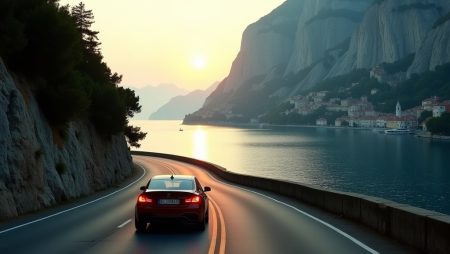
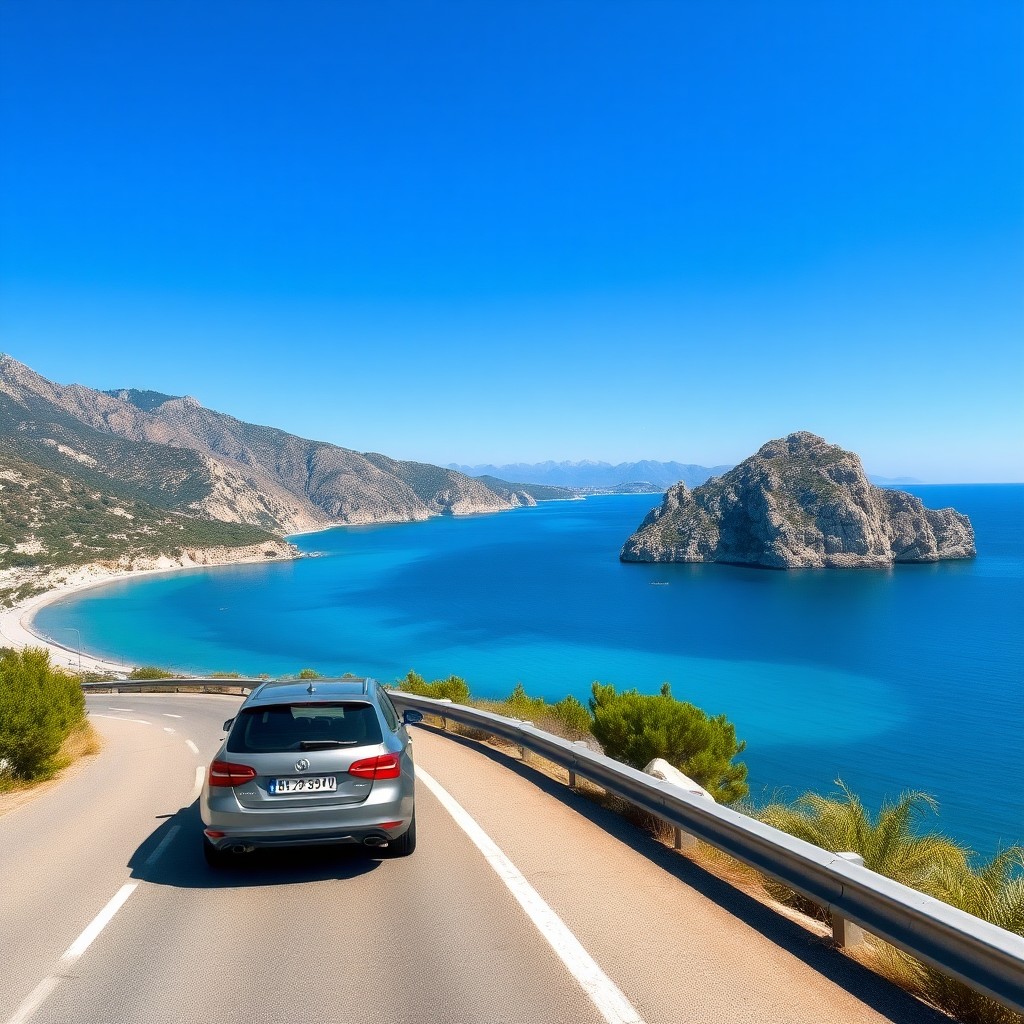
The D8 coastal road: Stunning but demanding. Sharp bends, tunnels, and coaches. Take your time. Pull over at viewpoints (there are many) to let faster traffic pass.
Island roads: Generally narrower but less traffic. Watch for sheep on Hvar and Brač — they wander onto roads and don’t move for anyone.
Mountain roads: Some passes in Lika and Gorski Kotar can be foggy or icy in winter (November–March). If you’re driving from Zagreb to Plitvice in winter, check conditions first.
Ferry Crossings
If you’re taking a car on ferries to islands like Hvar, Brač, or Korčula, here’s what to know:
- Booking: Essential in July and August. Jadrolinija is the main operator. Book at least a week ahead in peak season.
- Prices: Car + driver from €30–50 depending on route. Foot passengers are cheaper.
- Arrival: Get there 30 minutes early. In summer, queues are long.
- Driving on: Staff direct you. Reverse onto the ferry if instructed — makes exiting easier.
Documents You Need
- Driving licence: Your domestic licence is fine for EU, UK, US, Australian, and Canadian drivers. Some rental companies ask for an International Driving Permit — check yours.
- Passport or ID card: Keep it on you.
- Rental agreement: Always have the car’s papers in the glovebox.
- Insurance documents: Rental companies provide this.
Police and Fines
Croatian police regularly set up speed traps, especially:
- Near schools and villages
- On highway entry/exit ramps
- In tunnels (there are cameras)
- Near tourist hotspots in summer
On-the-spot fines are common. If you’re pulled over, stay calm, show your documents, and pay if asked. You’ll get a receipt. Typical fines:
- Speeding: €40–500 depending on how fast
- Not wearing seatbelt: €40
- Using phone while driving: €80
- Drink-driving: €400–1,000 + licence suspension
Winter Driving (November–March)
Coastal roads stay clear year-round. It rarely snows on the coast. But if you’re driving inland or through mountains:
- Winter tyres are mandatory from November 15 to April 15 on certain roads
- Rental cars usually come with all-seasons — ask for winter tyres if you’re doing mountain routes
- Carry chains if you’re heading to Plitvice or Lika in winter
FAQ
Do I need a car in Croatia?
Not for everywhere. Zagreb, Split, and Dubrovnik are walkable with good public transport. But if you want to explore the coast properly, visit islands, or get to hidden beaches, a car opens up so much more.
Is it safe to drive in Croatia?
Yes. Roads are generally in good condition, signage is clear, and drivers are predictable. The main hazards are impatient local drivers on coastal roads and tourists who don’t know the rules. Stay alert and you’ll be fine.
Can I drive from Split to Dubrovnik through Bosnia?
Yes, the fastest route (A1 highway) goes through a small strip of Bosnia (Neum corridor). You don’t need a visa if you’re EU/UK/US/Australian — it’s a transit corridor. But your rental agreement might restrict this. Check with your company before you go.
What happens if I get a speeding ticket?
If it’s a camera, the fine goes to your rental company, who will charge your card plus an admin fee. If it’s a police stop, pay on the spot and keep the receipt.
Are Croatian roads toll-free?
No, highways have tolls. But coastal roads (D8, D1) are free. Choose based on your budget and time. The scenic route is often the free route.
Driving in Croatia is genuinely one of the best ways to see the country. The roads are good, the views are ridiculous, and the freedom to stop wherever you want is priceless. Just follow the rules, take your time on the bends, and fill up before the ferry queues.