
Driving in Croatia Tips for Australian Tourists | From €15/day | Cro Car Hire
Why Explore Croatia by Car?
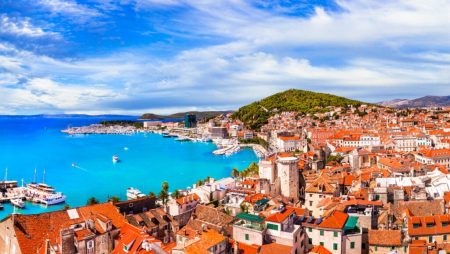
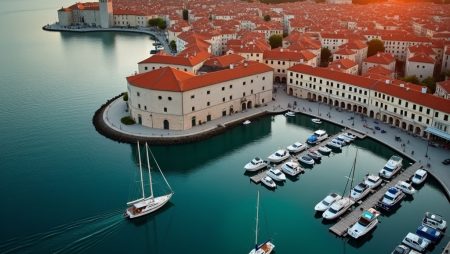
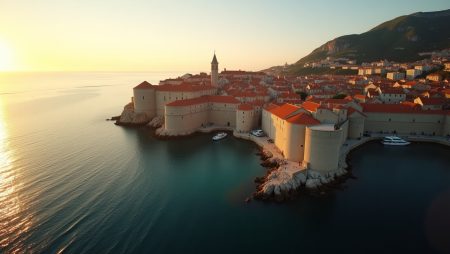
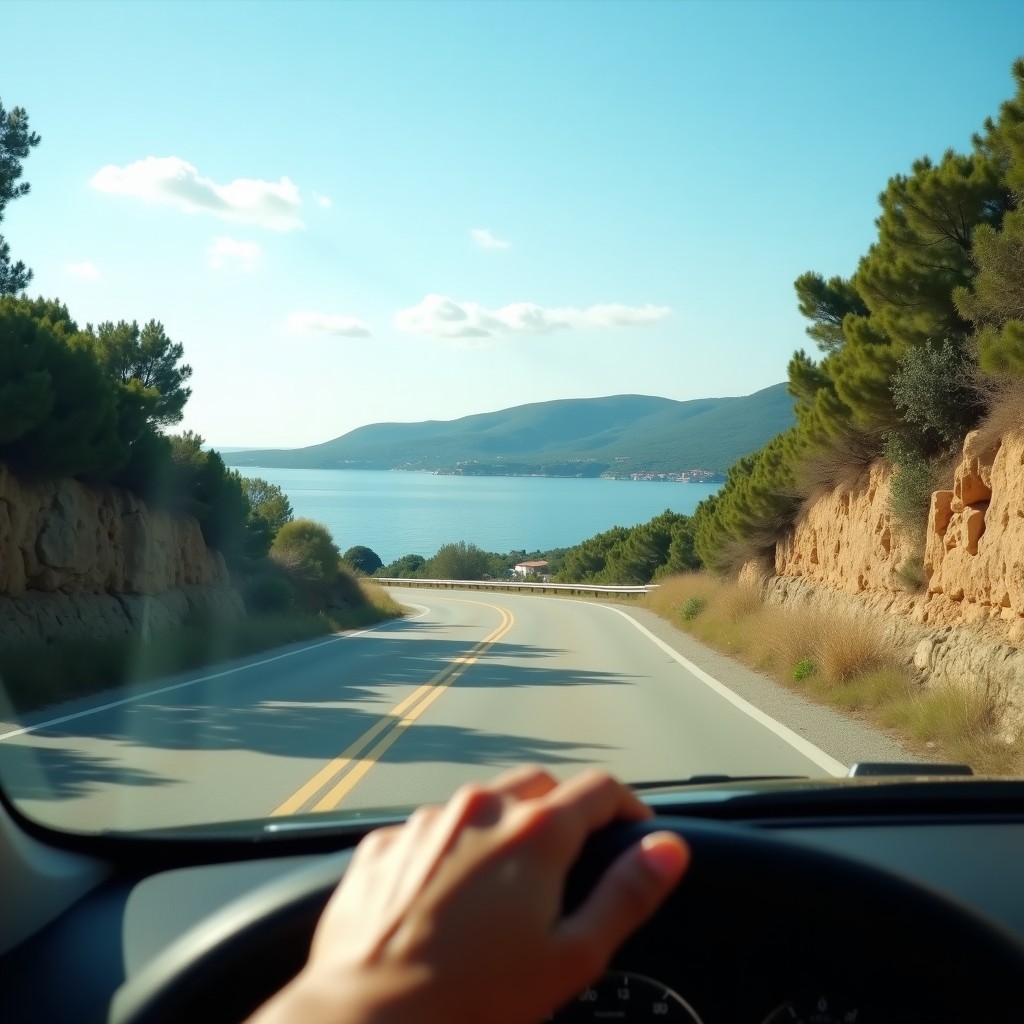
Croatia is a country of staggering contrasts, from the shimmering Adriatic coastline and over a thousand idyllic islands to the rolling vineyards of Istria and the dramatic peaks of the Dalmatian hinterland. While buses and ferries connect the major hubs, the true magic of Croatia often lies in the quiet hilltop villages, secluded coves, and national parks that are only accessible by road. For Australian tourists, hiring a car offers the ultimate freedom to explore the country at your own pace. Plus, when you book your car hire with us, you can rest assured knowing we offer no hidden fees and free cancellation, giving you peace of mind before and during your European adventure.
However, driving in a foreign country always comes with a learning curve. For Australians accustomed to driving on the left and navigating outback highways, the winding coastal roads and European traffic regulations of Croatia present a unique set of challenges. This comprehensive guide will walk you through everything you need to know about driving in Croatia, ensuring your road trip is safe, spectacular, and entirely stress-free.
International Driving Permit Requirements
Before you even pick up the keys to your vehicle, you need to ensure your paperwork is in order. As an Australian tourist, your standard Australian driver’s licence is not sufficient on its own to legally drive in Croatia. You must carry an International Driving Permit (IDP) alongside your original, valid Australian state-issued licence.
An IDP is essentially an official translation of your Australian licence, and it is a mandatory requirement for driving in Croatia. If you are pulled over by the police, involved in an accident, or picking up your car hire, you will be asked to present both documents. You can easily arrange an IDP through your state’s motoring organisation (like NRMA, RACV, RACQ, etc.) before you leave Australia. Do not risk driving without one—fines can be steep, and your insurance may be rendered completely void if you are caught without an IDP.
Driving on the Right Side of the Road
The most significant adjustment for Australian drivers in Croatia is that you will be driving on the right-hand side of the road. This means the driver’s seat is on the left side of the car, and you will be shifting gears with your right hand (if you opt for a manual transmission).
Here are a few tips to help you adapt quickly:
- Follow the leader: The easiest way to keep your bearings is to follow the flow of traffic. Let local drivers set the pace and use them as a guide for lane positioning.
- Think left: Always remind yourself that the centre line should be on your left, and the shoulder of the road should be on your right. When turning at an intersection, aim for the left side of the road to avoid accidentally slipping back into left-hand traffic habits.
- Windscreen wipers vs. indicators: A classic mistake for Aussies driving left-hand drive cars for the first time is turning on the windscreen wipers instead of the indicator when changing lanes. It happens to everyone, so don’t be embarrassed—just make a mental note that the indicator stalk is now on the left side of the steering wheel.
- Overtaking: Since you are driving on the right, overtaking is done on the left lane. The right lane is for cruising, and you should always move back to the right lane after passing a slower vehicle.
Croatian Road Rules Differences from Australia
Beyond driving on the opposite side of the road, there are several crucial differences in road rules between Australia and Croatia that you must be aware of to stay safe and avoid hefty on-the-spot fines.
- Blood Alcohol Concentration (BAC): Croatia has a zero-tolerance policy for drink driving. While the limit in most Australian states is 0.05%, in Croatia, the legal limit is 0.00% for all drivers. Even one beer can put you over the limit. The penalties are severe, ranging from massive fines to the confiscation of your driving permit.
- Dipped Headlights: By law, you must drive with your headlights on at all times, even during the bright midday sunshine. This rule applies to all roads, whether you are on a city street or a major highway.
- Seatbelts: Just like in Australia, seatbelts are mandatory for all passengers in the front and rear seats at all times.
- Safety Vests and Triangles: Your vehicle must be equipped with a reflective safety vest and a warning triangle. If you break down or need to step out of the car on a busy road, you must wear the vest. Ensure these items are in your car before driving away from the car hire desk.
- Mobile Phones: Using a handheld mobile phone while driving is strictly prohibited. If you need to use your phone for navigation, invest in a dash or windscreen mount before your trip.
Understanding Speed Limits
Speed limits in Croatia are strictly enforced, particularly through small towns where local police frequently set up speed traps. Speed limits are generally posted in kilometres per hour (km/h), and you should adhere to the following standard limits unless a sign dictates otherwise:
- 50 km/h: This is the default speed limit for all built-up urban areas, cities, and towns. As soon as you see a town name sign, you must immediately drop to 50 km/h. Slow down well before the sign, as radar traps are often positioned right at the town boundary.
- 80 km/h: This applies outside built-up areas, including rural roads, regional highways, and the winding coastal roads. While the scenery is breathtaking, keep your eyes on the road and stick to 80 km/h.
- 130 km/h: This is the maximum speed limit on dual-carriageway motorways (autoceste). However, if the weather is poor, raining, or visibility is low, this limit drops to 110 km/h.
Always keep an eye out for speed cameras and unmarked police cars, as fines are often issued on the spot and must be paid in cash directly to the officer.
Toll Roads and Payment
Croatia’s motorway network is modern, well-maintained, and largely funded by tolls. The motorways (identified by an ‘A’ prefix, such as the A1 stretching from Zagreb to Split) use a closed-ticket system. When you enter the motorway, you take a ticket from the machine, and when you exit, you insert the ticket and pay the calculated toll.
Tolls can be paid in Cash (Croatian Kuna or Euros), by Credit/Debit Card (Visa, Mastercard, Maestro), or via an ENC (Electronic Toll Collection) device. If you are planning a lot of motorway driving, ask your car hire provider about renting an ENC tag, which allows you to breeze through the dedicated lanes without stopping, and the tolls are simply charged to your account. Avoid paying with large denomination notes, as some smaller exits may struggle to provide change.
Parking in Zagreb, Split, and Dubrovnik
Parking in Croatia’s major tourist cities can be a challenge during the peak summer months. Here is what you need to know about finding a spot in the big three:
- Zagreb: The capital city has a tiered parking zone system. The closer you are to the historic centre, the more expensive and time-restricted the parking becomes. Look for parking meters and pay via coins or the “Zagreb Parking” SMS service. Alternatively, park at a Park & Ride facility near the city’s tram lines and use public transport to reach the centre.
- Split: Parking near the Diocletian Palace in the centre is a nightmare and is strictly for residents. Instead, head to the parking facilities along the waterfront (Obala hrvatskog narodnog preporoda) or the large public car parks a short walk from the Old Town, like the one at Dok Sustipana. Arrive early in the morning, as spots fill rapidly by midday.
- Dubrovnik: Driving into the Old Town walls is impossible, and parking is incredibly scarce and expensive. Your best bet is the large public garage at Ilijina Glavica or the parking lot at Pile Gate (mostly for short-term drop-offs). Many visitors choose to stay outside the city and take a bus or taxi into the Old Town. If your hotel doesn’t include parking, confirm the nearest public lot in advance.
Fuel Stations and Refuelling
Finding fuel in Croatia is generally straightforward, but you should plan ahead when driving through remote inland areas or on islands. The major motorways are lined with comprehensive service stations that feature petrol, food, and restrooms. In towns, you will find brands like INA, Petrol, and Crodux.
Most fuel stations in larger cities and along motorways are self-service, operating 24/7 with card payment terminals at the pump. In smaller villages, you may encounter attended stations that only accept cash and close on Sundays, so always carry some local currency. Importantly, when returning your car hire, ensure you refuel at a station near the drop-off location to avoid exorbitant refuelling surcharges from the rental company. Diesel vehicles are very common in European car hire fleets, so always double-check whether your car requires Diesel (Gorivo) or Unleaded Petrol (Benzin) before filling up!
Croatian Road Signs You Need to Know
While many road signs use standard international symbols, it is highly useful to recognise a few Croatian language signs to navigate effectively:
- Polaganje / Opasnost – Caution / Danger
- Zatvoreno – Closed (often seen on mountain passes or seasonal roads)
- Ograničenje brzine – Speed limit
- Nagib – Steep gradient (common in the highlands)
- Radovi na cesti – Roadworks
- Pješaci – Pedestrians (vital to watch out for in coastal towns)
- Autocesta – Motorway
- Cestarina – Toll road ahead
- Benzinska postaja – Fuel station
- Parking – Parking
- Jednosmjerna ulica – One-way street
- Zabranjen smjer – Wrong way / Do not enter
What to Do in Case of an Accident
Even with the most careful planning, incidents can occur. If you are involved in a road
Ready to book? Visit our homepage for the best hire car deals.