
Best Coastal Drives in Croatia: Dubrovnik to Split and Beyond
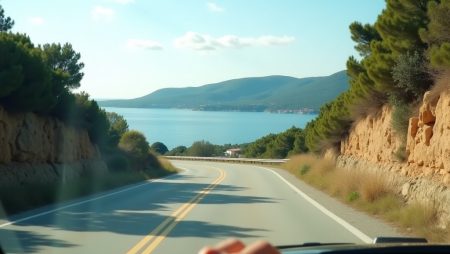
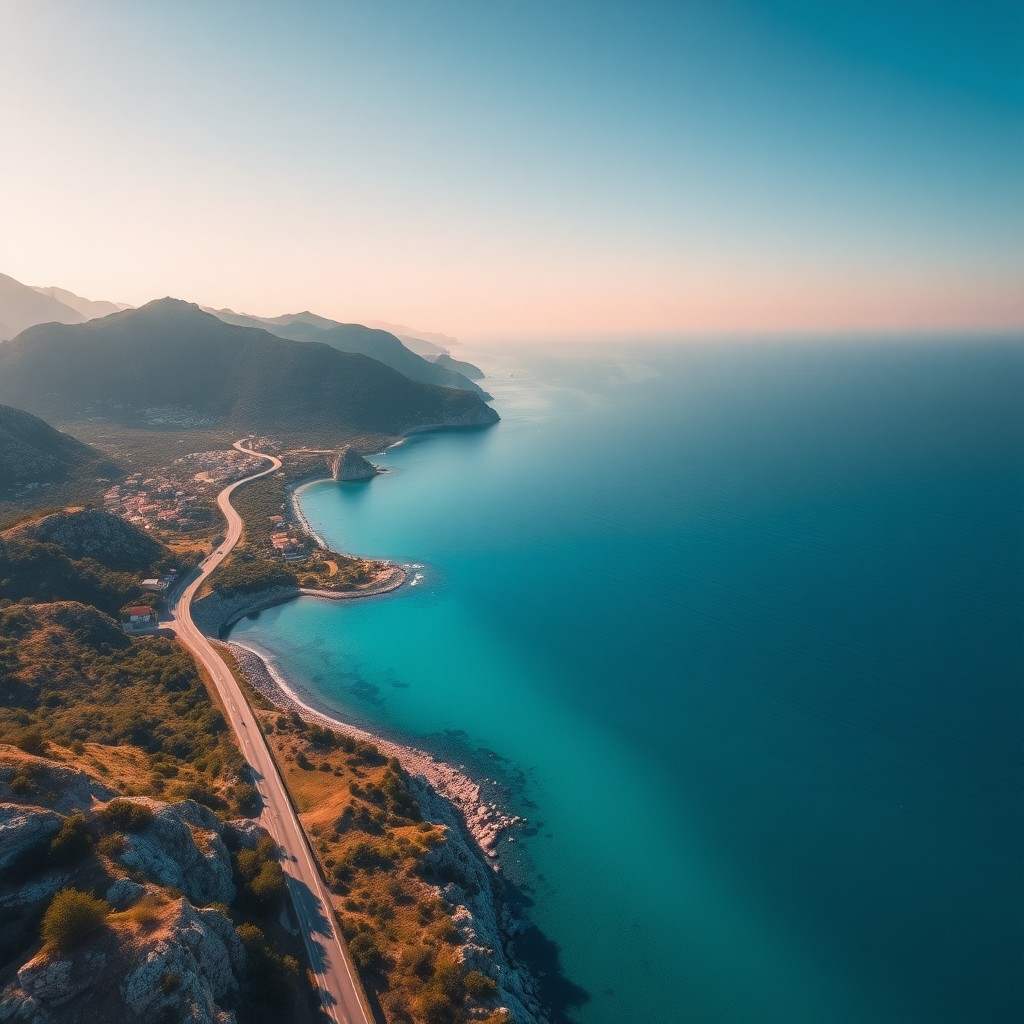
Let’s be honest — Croatia’s D8 highway isn’t just a road. It’s the kind of drive that makes you pull over every ten minutes because the view got even better. Running along the Adriatic coast from Dubrovnik to Split and beyond, this stretch of tarmac is easily one of Europe’s most scenic drives.
I’ve driven this route more times than I can count, in everything from tiny rental hatchbacks to wobbling camper vans. Here’s everything you need to know about tackling Croatia’s coastal roads — the stops you shouldn’t miss, the driving conditions, and the practical stuff nobody tells you.
The Classic: Dubrovnik to Split via the D8
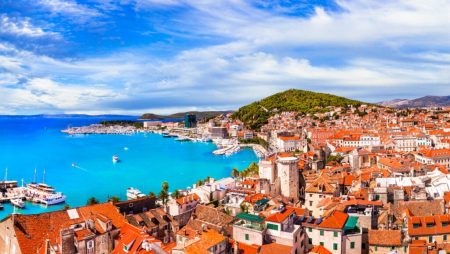
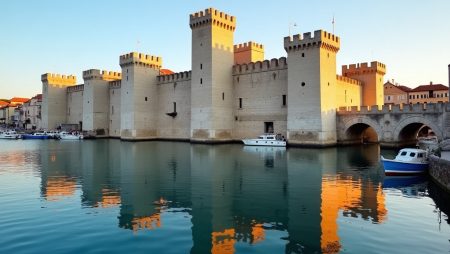
This is the big one. About 230 kilometres of coastline that packs in medieval towns, pebble beaches, mountain backdrops, and enough photo opportunities to fill your camera roll twice over.
Driving time: 3.5–4 hours without stops (but you will stop)
Best time: Early morning or late afternoon for softer light and fewer coaches
Must-Stop Towns Along the Way
Makarska — The biggest resort town on this stretch, with a lovely long promenade and a backdrop of Mount Biokovo. Good place to grab a coffee and stretch your legs. The beach is nice, but it gets packed in July and August.
Omiš — A personal favourite. Dramatic canyon setting where the Cetina River meets the sea. The old town is a maze of narrow streets, and you can book rafting or zip-lining if you’ve got time. Parking can be tricky in high season — use the paid lots near the river mouth.
Brela and Tučepi — These neighbouring beach towns have some of the best stretches of coastline on the entire Dalmatian coast. Brela’s Punta Rata beach regularly makes “best beaches in Europe” lists. The water is ridiculously clear. Stop here if you want a proper swim.
Need wheels for this drive? Grab a hire car in Dubrovnik and drop it off in Split — most major companies allow one-way rentals for a small fee.
The Viewpoints You Need to Know About
There’s a viewpoint just north of Makarska — turn off towards Biokovo Nature Park — where you can see the entire coastline curve away in both directions. It’s not free (small entry fee), but totally worth it for the panorama alone.
Between Omiš and Split, the road climbs and winds. There are several pull-outs where you can see the islands of Brač, Hvar, and Šolta floating in the Adriatic. Don’t rush this bit.
Practical Driving Tips
Tolls and Vignettes
Good news: the D8 is toll-free between Dubrovnik and Split. You won’t pass through any toll booths. The highway (A1) inland has tolls, but if you’re sticking to the coast, your wallet stays happy.
Road Conditions
The D8 is generally in excellent condition — smooth tarmac, well-marked. But it’s a coastal road, so expect:
- Sharp bends, especially around Omiš
- Tunnels (some short, some quite long — turn your lights on)
- Coaches and trucks moving slower than you’d like
- Impatient local drivers (Croatians drive fast on these roads)
Parking
In summer, parking in the popular towns can be a nightmare. Budget €1–3 per hour in most places. Paid parking lots are usually your best bet — street parking fills up by 10am in July and August. Look for the blue zones (paid) and avoid the yellow ones (residents only).
Fuel
Plenty of petrol stations along the D8. Prices are fairly standard across INA, Crodux, and other chains. Fill up in larger towns if you’re price-conscious — remote stations sometimes mark up a bit. Most accept cards, but carry some cash just in case.
Beyond Split: Continuing North
If you’ve got more time, the drive from Split to Zadar is equally stunning. You’ll pass Šibenik (worth a stop for the cathedral) and the Krka National Park turn-off. The terrain changes — more pine forests, slightly gentler coastline — but still gorgeous.
From Zadar, you can push on towards the Istrian peninsula, but that’s a full day’s drive. Better to split it into two days and actually enjoy it.
Best Time of Year for This Drive
May to June: Perfect. Warm but not scorching, everything’s green, the sea is warming up, and the roads aren’t too busy. My favourite window.
September: Also excellent. Water is at its warmest, summer crowds have thinned, and the light is beautiful for photos.
July and August: Doable, but prepare for traffic, full car parks, and accommodation that costs double. If you’re driving in peak season, start early — like 7am early — to beat the heat and the tour buses.
October to April: The roads are quiet and accommodation is cheap, but some coastal restaurants and attractions close for winter. Weather can be unpredictable. Good if you’re on a budget, less ideal if you want the full Croatian summer vibe.
What to Pack for the Drive
- Sunscreen and sunglasses (the Adriatic reflects sunlight intensely)
- A good offline maps download (Google Maps works, but Maps.me is better for coastal detail)
- Water and snacks — some stretches have long gaps between services
- Swimming gear (you’ll want to stop for a dip)
- Camera or phone with space — trust me, you’ll take photos
FAQ
Is the D8 road dangerous?
No, but it demands attention. It’s a coastal road with bends, tunnels, and sometimes impatient local drivers. Take your time, pull over to let faster traffic pass, and don’t try to sightsee while driving.
Can I do Dubrovnik to Split in one day?
Yes, easily. The drive itself is under 4 hours. But if you want to stop properly — see Makarska, swim in Brela, explore Omiš — plan for a full day. Better yet, split it over two days and actually enjoy it.
Do I need an International Driving Permit?
If your licence is from the UK, EU, Australia, Canada, or US, you can usually drive on your domestic licence for up to 90 days. Some rental companies ask for an IDP anyway — check before you travel.
Are there speed cameras on the D8?
Yes, especially near towns and in tunnels. The limit drops from 80km/h to 50km/h entering villages. Watch for the signs — Croatian police are strict on speeding, and fines are on-the-spot.
What’s the best car for this drive?
Anything works — you don’t need a 4×4. A compact or mid-size is easiest for parking in narrow town streets. If you’re travelling with family, a station wagon or SUV gives more comfort but expect tighter squeezes in old town parking lots.
The Croatian coast isn’t just scenery — it’s a proper road trip. Take your time, stop often, and don’t try to rush. The point isn’t to get from A to B. It’s to see everything in between.