
Driving Croatia’s Toll Roads: A Complete Guide for Tourists
Driving Croatia’s Toll Roads: A Complete Guide for Tourists
Planning a road trip through Croatia? Understanding the toll system will save you time, money, and stress on your journey. Croatia’s motorways are excellent — modern, well-maintained, and efficient — but the toll system works differently than in many European countries. Here’s everything you need to know about driving Croatia’s highways.
How Croatia’s Toll System Works
Croatia operates a closed toll system on its motorways. You pick up a ticket at the entrance and pay when you exit, with the cost calculated based on distance traveled. It’s straightforward once you’ve done it a few times.
The main motorway operator is HAC (Hrvatske autoceste), and you’ll find their network connects all major cities: Zagreb to Split, Split to Dubrovnik (partially), and routes toward Rijeka and the Istrian peninsula. Most entrance and exit points are clearly marked, though smaller junctions can be easy to miss if you’re not paying attention.
Payment options have improved significantly in recent years. You can pay with cash (euros are now accepted everywhere, Croatian kuna was phased out), credit cards (Visa, Mastercard, Maestro), or use the ENC electronic system if you’re planning an extended stay. The ENC is essentially a prepaid electronic toll pass that gives you a discount of around 10-15% and lets you use dedicated lanes without stopping.
Major Motorway Routes and Approximate Costs
The A1 (Zagreb-Split-Dubrovnik corridor) is Croatia’s backbone. Driving the full length from Zagreb to Split costs roughly €16-17, while continuing to Ploče (the current motorway terminus before Dubrovnik) adds another €8-10. From there, you’ll need to continue on the coastal road to reach Dubrovnik — about another hour of driving.
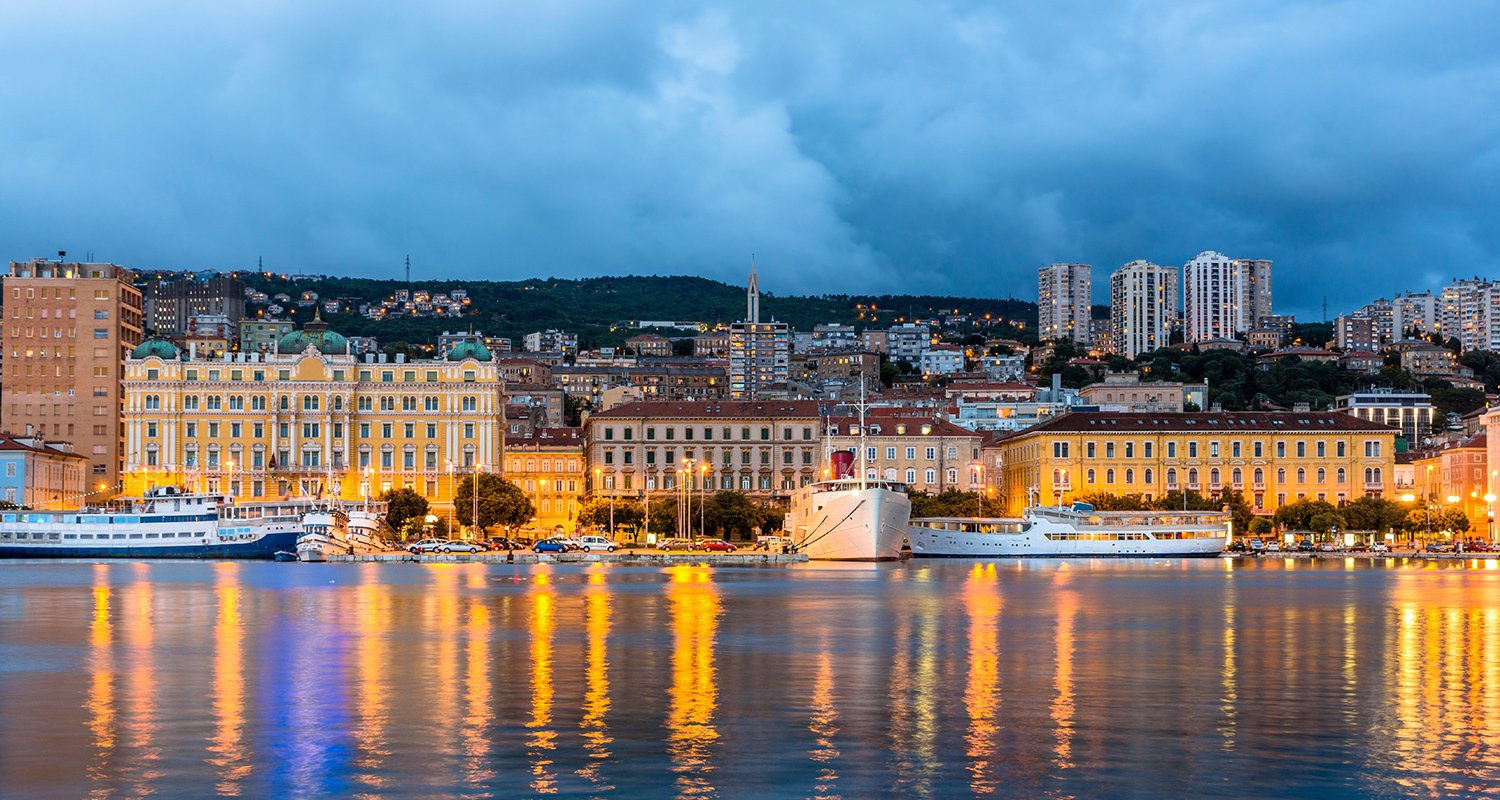
The A6 (Zagreb-Rijeka) is shorter but scenic, costing around €8 from the capital. If you’re heading to Istria, the A7 and A8 connect Rijeka to Pula through the interior, with tolls of approximately €4-6 depending on your exact route.
The A3 connects Zagreb east toward Osijek and the Hungarian border, while the A4 heads north toward Hungary via Varaždin. These routes are less travelled by tourists but efficient if you’re exploring eastern Croatia or continuing into Central Europe.
For accurate current pricing, check the HAC website before traveling. Prices do change, and the conversion to euros in 2023 means some fares have been adjusted.
Payment Methods: What You Need to Know
Cash remains the most reliable option, especially at smaller exits where card machines occasionally malfunction. Keep small notes and coins handy — the last thing you want is holding up a queue because you only have a €50 note for a €4 toll.
Credit and debit cards are widely accepted at attended lanes. Look for lanes marked with card symbols. If you’re renting a car from Zagreb Airport or Split Airport, ask your rental company about their preferred toll payment method. Some include toll transponders in their vehicles, which can save time at busy exits.
The ENC pass requires a deposit for the device itself (around €7), plus however much credit you want to preload. You can purchase these at major motorway service areas or at border crossings. The discount typically ranges from 10% on standard routes to over 30% during promotional periods. If you’re driving more than 300km of motorways during your trip, ENC usually pays for itself.
Important for ENC users: You must enter the correct vehicle category at the toll booth. Cars are Category I. Category II is for vans and campers. Getting it wrong can result in fines if you’re stopped.
Tips for a Smooth Toll Experience
Plan your route in advance and know which exits you need. Croatian motorway signs are generally good, but junction names can be confusing if you’re unfamiliar with local geography. A navigation app helps, but don’t rely on it exclusively — GPS signal can be spotty in tunnels and mountain sections.
Keep your ticket safe. If you lose it, you’ll be charged for the maximum possible distance from your entry point, which can be significantly more expensive than what you actually drove. Develop a habit: put the ticket in the same spot every time (a cup holder works well).
If you’re crossing into neighbouring countries, note that Slovenia, Hungary, and Bosnia use different toll systems. Slovenia has electronic vignettes (buy online before you go), Hungary uses a combination of vignettes and toll roads, and Bosnia primarily uses manual toll booths. Plan your border crossings in advance.
Avoiding Tolls: The Scenic Alternative
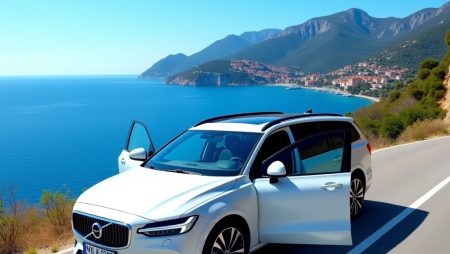
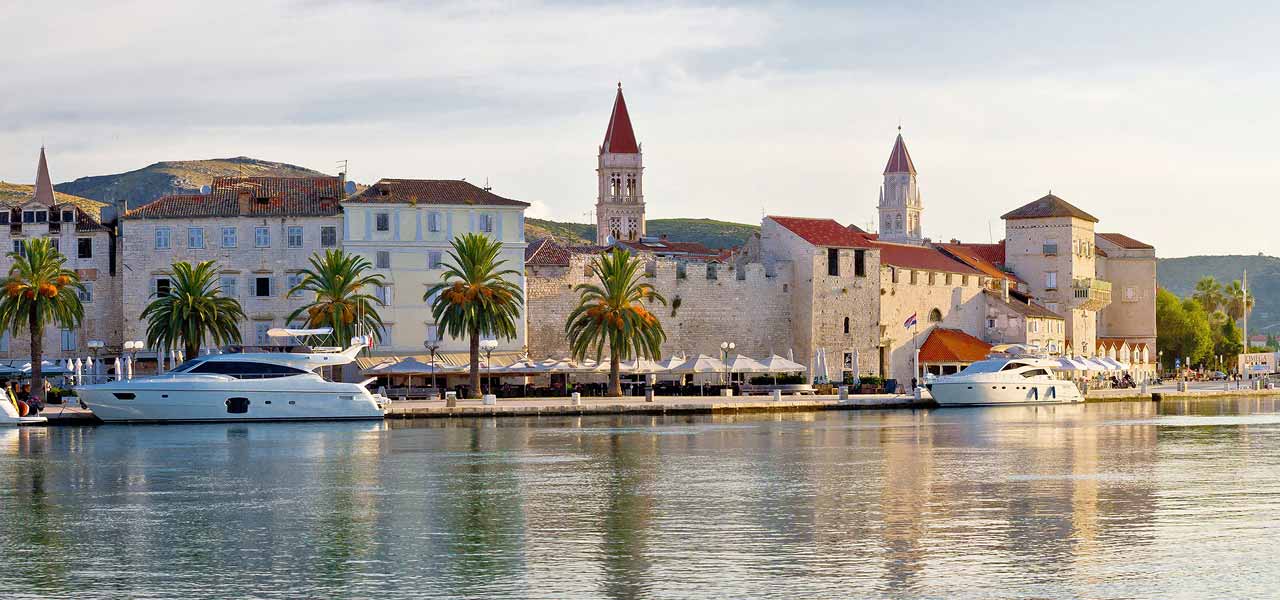
Not in a hurry? The Adriatic coastal road (D8) runs parallel to the A1 for much of its length and costs nothing. You’ll trade time for views — the drive from Split to Dubrovnik takes about four hours on the motorway versus six or seven on the coastal road, but you’ll pass through charming towns, see hidden beaches, and have far more flexibility.
The coastal road from Split south passes through Makarska, the stunning Biokovo mountains, and the quiet towns of the Makarska Riviera before reaching Dubrovnik. It’s one of Europe’s great drives — narrow in places, with dramatic drops to the sea, but unforgettable.
The same applies in Istria. The interior motorways are fast but bypass the peninsula’s character. Taking the coastal roads adds 30-45 minutes to most trips but rewards you with vineyards, hilltop towns, and sea views.
If you’re new to driving in Croatia, consider mixing both. Use motorways for long stretches (Zagreb to the coast, for example) and then slow down for scenic sections. It’s not just about saving money — the coastal roads are genuinely spectacular.
Peak Season Considerations
Summer brings traffic. The A1 can get congested around Split and Zadar, especially on Saturdays when weekly rental turnovers create waves of returning and departing tourists. Start early or late in the day if possible — avoid the 10am-2pm window if you can.
Toll booths can have queues of 15-30 minutes at major exits during July and August. ENC lanes move faster, but even they can back up. The worst bottlenecks are typically Split east and west exits, Zadar, and the Zagreb bypass.
If you’re picking up a rental from Split Airport and heading south, consider the coast road instead of the motorway for the first stretch. It’s often faster when the A1 is jammed, and you’ll see more of the coastline.
Toll Roads vs Coastal Roads: A Comparison
| Route | Motorway Time | Coastal Time | Motorway Cost | Coastal Cost |
|---|---|---|---|---|
| Zagreb – Split | 3.5-4 hrs | 6-7 hrs | ~€16 | Free |
| Split – Dubrovnik | 3-3.5 hrs* | 4-5 hrs | ~€10 | Free |
| Zagreb – Rijeka | 1.5 hrs | 2.5-3 hrs | ~€8 | Free |
| Rijeka – Pula | 1-1.5 hrs | 2 hrs | ~€4-6 | Free |
*Motorway doesn’t reach Dubrovnik; requires coastal road for final stretch.
Choose motorways when: time matters, you’re driving at night, weather is poor, or you’re covering long distances. Choose coastal roads when: scenery is the priority, you have extra time, you want to stop at beaches and towns, or you’re on a tight budget.
Practical Information at a Glance
- Currency: Euros accepted everywhere; cards widely accepted at attended lanes
- Speed limits: 130 km/h on motorways, 80 km/h on main roads, 50 km/h in towns
- Service areas: Every 30-50 km on major routes, offering fuel, food, and restrooms
- Emergency: Call 112 for all emergency services; motorways have SOS phones every 2 km
- Language: Toll operators speak basic English; signs are in Croatian and often have international symbols
- Breakdowns: Pull to the hard shoulder, put on hazard lights, and call 1987 for roadside assistance (HAK)
Related Destinations
Planning your Croatian road trip? These car hire locations offer great starting points:
- Zagreb Car Hire — start from the capital with easy motorway access to all regions
- Split Car Hire — gateway to the Dalmatian coast and islands
- Dubrovnik Car Hire — explore the southern coast and day trips to Montenegro
FAQ
Do I need to pay tolls when driving from Zagreb to Split?
Yes. The A1 motorway connecting Zagreb and Split charges tolls at exit points. Expect to pay approximately €16-17 for the full journey. You can pay with cash or card at the toll booth, or use an ENC pass for a small discount.
Can I avoid tolls entirely in Croatia?
You can, but it adds significant time to long-distance trips. The coastal roads (D8 and D66) are toll-free and scenic but much slower. For example, Split to Dubrovnik takes about four hours on the motorway versus six to seven hours on the coast road.
What happens if I lose my toll ticket?
You’ll be charged the maximum fare from your entry point. This can be substantially more than the actual distance you traveled. Keep your ticket in a safe place — ideally in the same spot every time, so you don’t have to search for it at the exit.
Is the ENC pass worth it for tourists?
If you’re driving more than 300 km on motorways during your trip, probably yes. The 10-15% discount adds up, and the dedicated lanes save time at busy exits. If you’re just doing one short journey (like Zagreb airport to the city), the convenience might not justify the deposit and setup time.
Are there vignettes in Croatia like in Slovenia?
No. Croatia uses distance-based tolls, not vignettes. Slovenia requires electronic vignettes for all motorways — buy these online before crossing the border. If you’re driving from Zagreb to Istria via Slovenia, plan for both systems.
Ready to Hit the Road?
Understanding Croatia’s toll system means fewer surprises and a smoother journey. Whether you choose the fast motorways or the stunning coastal roads, having a rental car gives you the freedom to explore at your own pace.
Starting from Zagreb? Heading straight to Dubrovnik? Wherever your Croatian adventure begins, compare prices from trusted suppliers and book your car with confidence. Affordable rates, no hidden fees, and free cancellation mean you can focus on the road ahead.