
Driving from Croatia to Slovenia and Bosnia: Cross-Border Car Hire Guide
Croatia sits at a crossroads. Pick up a car in Split, Zagreb or Dubrovnik and within two hours you can be sipping coffee in Ljubljana or wandering the old streets of Mostar. The idea sounds simple, but cross-border car hire in Croatia comes with rules that catch plenty of travellers out at the rental desk. Here is what actually matters if you want to drive from Croatia into Slovenia or Bosnia and Herzegovina.
Which Rental Cars Can Cross the Border
Not every vehicle on the fleet is cleared for cross-border travel. When you collect the car, the rental agreement must explicitly list Slovenia, Bosnia and Herzegovina, or both as approved countries. If the paperwork only mentions Croatia, you are not insured outside the country and the green card is invalid. Most major suppliers at Rijeka Airport, Zagreb and Split allow cross-border travel to Slovenia and Bosnia, but they charge a small daily fee, usually between €5 and €15, depending on the car class. Always ask for the fee in writing before you sign.
Some smaller local agencies, especially on the islands or in coastal towns, keep their fleet inside Croatia only. If you are planning a trip that crosses a border, book with a supplier that explicitly offers multi-country coverage. It is cheaper to confirm this at the reservation stage than to find out at the counter and pay last-minute rates.
Documents You Must Carry
The green card is still the standard proof of insurance for cross-border driving in the Balkans. Your rental company should provide a physical or digital green card that lists the countries you are cleared to enter. Keep it with the registration documents and your passport. A UK or EU driving licence is accepted in both Slovenia and Bosnia. If you hold a non-EU licence, carry an International Driving Permit as well. The police at border crossings rarely ask for it, but when they do, not having it turns a routine stop into an expensive delay.
Driving from Croatia to Slovenia
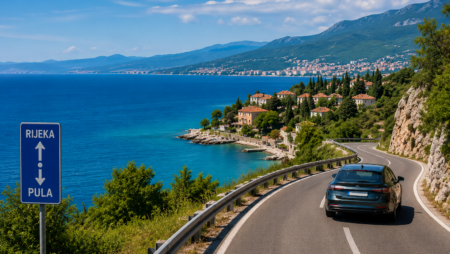
The most popular crossing is on the A1 motorway north of Zagreb, heading toward Ljubljana. The border at Bregana is usually quiet outside morning commuter peaks. Another option is the crossing near Rijeka if you are coming up the coast. The Istrian peninsula is almost attached to Slovenia, so the drive from Pula to the Slovenian coast at Koper takes barely an hour.
Slovenia uses the euro and the road-toll vignette system. You can buy a weekly vignette at petrol stations near the border or online. Do not skip it; cameras on the motorways check number plates and fines reach €300. The speed limit on Slovenian motorways is 130 km/h, dropping to 110 km/h on expressways and 50 km/h in towns.
Driving from Croatia to Bosnia and Herzegovina
The route from Dubrovnik to Mostar is one of the most scenic drives on the Adriatic. You cross at Metković, follow the Neretva valley inland, and reach Mostar in about two hours. From Split, the border at Kamensko puts you on the road to Livno and the Bosnian interior. If you are driving from Zagreb, the crossing near Novi Grad heads toward Banja Luka and the northern regions.
Bosnia is not in the EU, so expect a passport check at the border. Queues can form in summer, especially on the coastal crossings used by tourists heading to Dubrovnik from Bosnia or vice versa. Allow extra time on Friday afternoons and Sunday evenings. Bosnia uses the convertible mark, not the euro, though many petrol stations and restaurants near the border accept euros at a rough exchange rate.
Rental Car Condition and Fuel Policy
Before you leave Croatia, photograph the car from every angle and note the fuel level. Some suppliers expect the tank returned full even if you refuel in another country. Bosnia generally has cheaper fuel than Croatia or Slovenia, so topping up before you return can save a few euros. Diesel is widely available everywhere, but premium petrol can be harder to find in rural Bosnian mountain areas. If you are heading into the Dinaric Alps, carry a full tank.
Practical Tips for a Smooth Trip
- Confirm cross-border permission in your booking confirmation, not just verbally at pickup.
- Keep the green card, rental agreement and passport together in the glovebox.
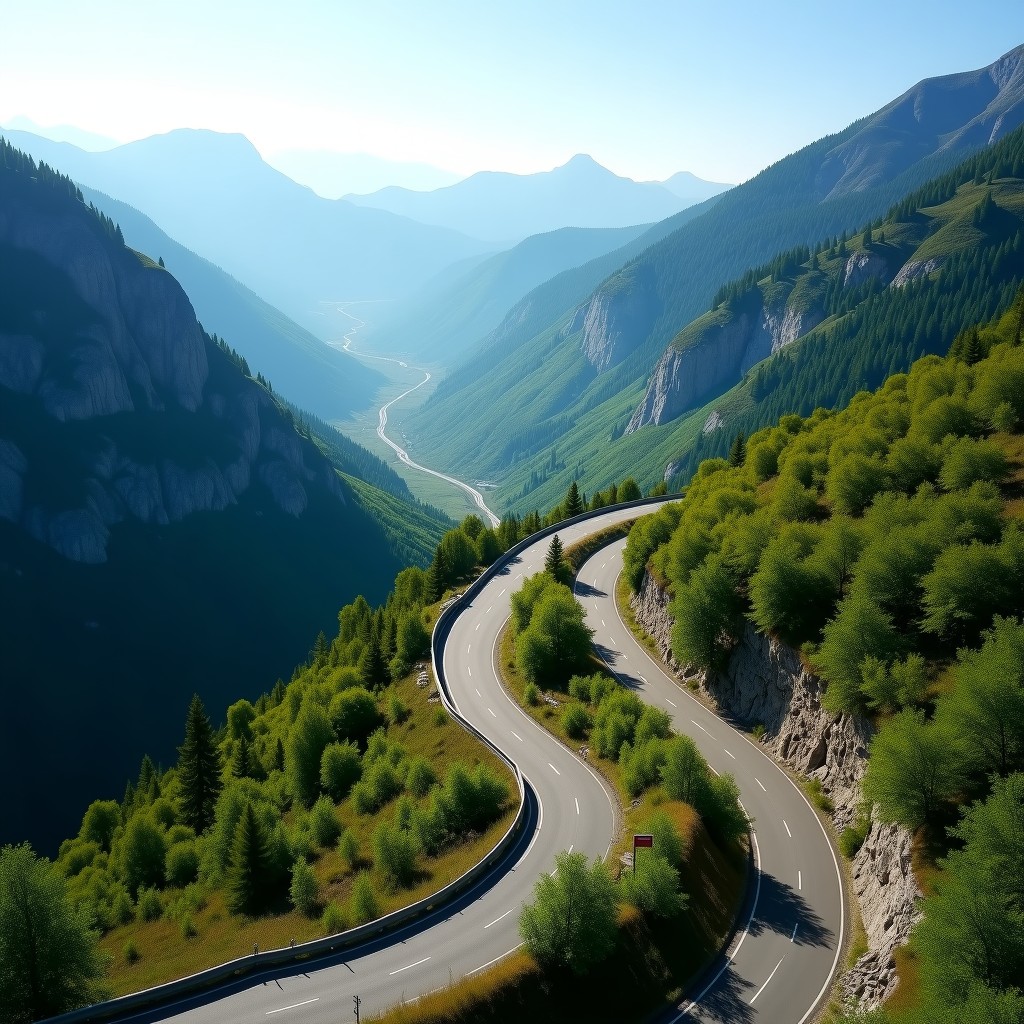
- Download offline maps; mobile data can drop in the mountains between Croatia and Bosnia.
- Check the return location; dropping a Croatian rental car in Slovenia usually incurs a one-way fee.
- Winter tyres are mandatory in Slovenia from 15 November to 15 March; most Croatian rental fleets fit them in winter, but verify if you are travelling in late autumn.
Border Crossings Worth Knowing
The Bregana crossing into Slovenia is the busiest but also the most efficient outside rush hour. For a quieter crossing, use Gruškovje if you are coming from eastern Croatia. Into Bosnia, the Metković crossing is tourist-heavy in summer but well organised. For a more local experience, the smaller crossing at Slunj leads toward Bihać and the Una National Park.
Related Destinations
Looking for more driving routes in the region? Explore our guides to car hire in Split, Zagreb car rental, Zadar Airport pick-up and all Croatian car hire locations. If you are starting your trip in Istria, read our Opatija car hire tips for the Kvarner Gulf.
Ready to book? Visit our homepage for the best hire car deals.