
Zagreb to Split Drive | From €18/day | 365 Car Hire
If you’re planning to drive from Zagreb to Split, you’re looking at one of the most varied and rewarding routes in Southeast Europe. Whether you’re arriving at Zagreb Airport and want to head straight to the coast, or you’re exploring Croatia as part of a broader road trip, the Zagreb to Split drive delivers everything — flat agricultural plains, mountain passes, historic towns, and eventually the sparkling Adriatic.
Why Drive Zagreb to Split?
Most visitors fly into Zagreb and immediately head to the coast. That’s understandable — Split is Croatia’s second-largest city and the gateway to Dalmatia. But the 393-kilometre drive between them is far too good to miss. You pass through Plitvice Lakes National Park (perfect for a half-day detour), weave through the dramatic Dinaric Alps, skirt the historic town of Karlovac, and gradually descend into the Dalmatian hinterland before hitting the coast at Omiš.
Split Airport (Resident Airport) is actually closer to Split city centre than Zagreb is, and many travellers land there instead. But if you’ve picked up your rental car in Zagreb, the full drive down is well worth the time investment.
The Two Main Routes: A1 Motorway vs D1/D8 Coastal Road
There are essentially two ways to make the Zagreb to Split drive — and they are profoundly different experiences.
Route 1: A1 Zagreb–Split Motorway (Fastest)
The A1 motorway runs from Zagreb all the way to Split, covering 393 kilometres in roughly 3 hours and 45 minutes without stops. It’s a modern, well-maintained toll road. The vignette system applies — you’ll need a Croatian vignette (€7 for one week, €14 for a month) displayed on your windscreen before joining the motorway. Vignettes are available at petrol stations near the border and at rest stops approaching the A1.
The motorway crosses some genuinely spectacular terrain — the Velebit mountain range in particular offers dramatic views on clear days. There are service stations roughly every 50 kilometres with fuel, food, and restrooms. The toll cost from Zagreb to Split is approximately €20-25 depending on your vehicle class.
Fuel prices on the motorway are higher than in cities. Budget around €1.55-1.65 per litre of petrol or diesel. For drivers coming from countries where fuel is more expensive, Croatia still represents good value.
Route 2: D1 and D8: The Scenic Coastal Route
For drivers who want to take their time and see more, the D1 through the interior and the D8 coastal road (also called the Adriatic Highway) is the better choice. This route covers roughly 420-450 kilometres and takes 6-8 hours depending on stops. You’ll pass through Karlovac, Slunj, and Korenica on the D1, then pick up the D8 at Senj and follow the coast south through Novi Vinodolski, Crikvenica, Omiš, and finally into Split.
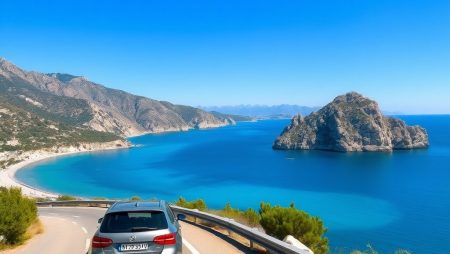
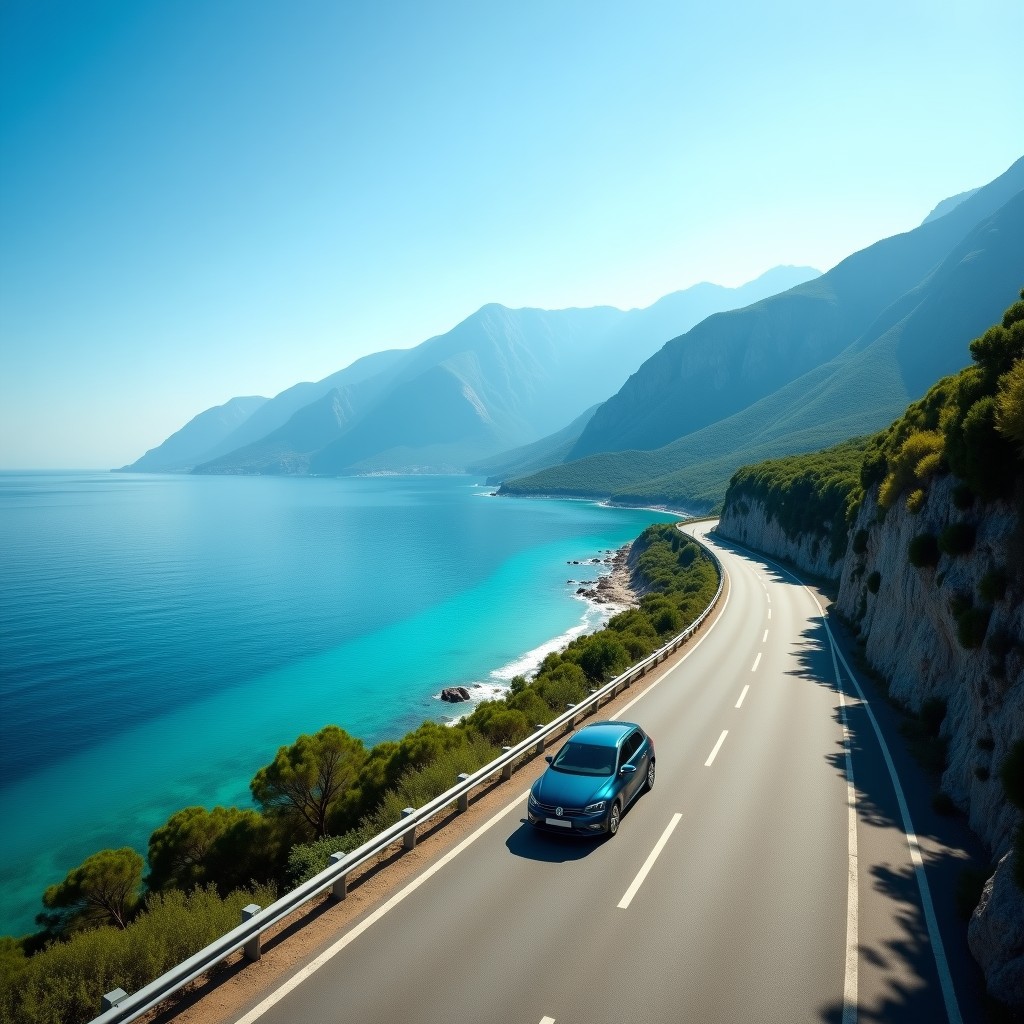
The D8 coastal road is narrower, winding, and passes through dozens of small towns where speed is naturally moderated. It’s a more demanding drive but dramatically more scenic — especially the section between Senj and Novi Vinodolski where the road clings to cliffs above the Adriatic.
No vignette is required for the D1 and D8 roads, but some segments (particularly tunnels on the D8) charge tolls. These are typically small amounts — €2-5 per tunnel — and payable in cash or card at booths.
Key Stops Along the Zagreb to Split Drive
Plitvice Lakes National Park (Detour: +1.5 hours)
If you’re taking the A1 motorway route, you can exit at Plitvice (Janaf) and drive a further 20 kilometres to Croatia’s most famous national park. The lakes are a series of terraced, mineral-rich pools connected by waterfalls. The park is a UNESCO World Heritage Site and genuinely spectacular in spring and early autumn. Summer can be extremely crowded — arrive before 9am if possible.
Parking costs around €6-10 per car. The park has two entrances — the upper entrance is closer to the larger lakes, the lower entrance is better for the waterfalls circuit. Allow at least 3-4 hours to properly explore.
Karlovac
Karlovac sits at the confluence of four rivers — the Korana, Kupa, Mrežnica, and Dobra. It’s often bypassed entirely, but the historic centre is worth a 30-minute walk, particularly the 16th-century stone bridge over the Korana. It’s also a convenient stop for fuel (prices here are more reasonable than motorway service stations) and coffee.
Senj and the Velebit Coast
Senj is where the D8 coastal road really starts to shine. The town is overlooked by Fortress Nehaj, a 16th-century Uskok pirate fortress that now houses a small museum. From Senj, the road hugs the base of Mount Velebit — on clear days the views across the Adriatic are extraordinary.
North of Senj, the A1 motorway passes through the Velebit mountains via some impressive tunnel complexes. If you’re on the coastal road, you’ll experience this section at a more human pace.
Omiš: Where the Coast Begins
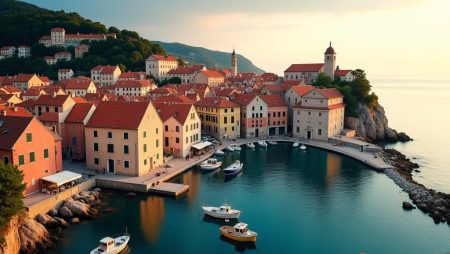
Omiš marks the transition from the Kvarner Gulf to the Dalmatian coast proper. The town is famous for its pirate history and the steep cliffs of the Cetina River canyon behind it. It’s an excellent lunch stop — the waterfront restaurants serve fresh fish and local Dalmatian specialities at reasonable prices. Parking in Omiš is straightforward near the old town and typically costs €1-2 per hour.
Driving Tips for the Zagreb to Split Route
Croatian roads are generally well-maintained, but there are a few things worth knowing before you set off. The A1 motorway has a 130 km/h speed limit in good conditions — overtake on the left only. The D8 coastal road has a 50-70 km/h limit through towns and 90 km/h on open sections. Watch for cyclists and motorcycles on the D8, especially on weekends and summer mornings.
Police checkpoints are common on major routes, particularly during summer months and holiday periods. Stick to speed limits — fines for speeding start at €30 and escalate quickly for more serious violations.
In terms of documents, you’ll need your full driving licence (EU licences are accepted directly; non-EU visitors should carry an International Driving Permit alongside their national licence). Insurance is mandatory — your rental company will provide the minimum third-party liability cover required by Croatian law. Comprehensive cover is worth the additional daily cost given the road conditions on some of the coastal sections.
Car Hire Pickup Options: Zagreb vs Split Airport
If you’re flying into Zagreb Airport (Franjo Tuđman Airport), car hire desks are located in the terminal building. Major suppliers including Sixt, Budget, and Avis have offices there. Advance booking is strongly recommended, particularly in peak season (June-August), as inventory runs low. Book through our comparison to see all available suppliers and lock in a competitive rate with no hidden fees.
One option many travellers consider is picking up in Zagreb and dropping off in Split — this avoids the backtrack. One-way rental fees vary but are often reasonable between these two major tourist destinations, particularly in shoulder season. Confirm with your rental company before you commit.
Split Airport is also well-served by rental companies and is increasingly where international visitors start their Croatia road trip. If you’re only visiting Dalmatia, flying into Split and hiring there makes practical sense.
What to Pack for the Drive
The Zagreb to Split route crosses several climate zones — continental in the north, mountainous in the Dinaric Alps, and Mediterranean by the coast. In summer, temperatures can exceed 35°C on the coast while the mountain passes remain cool. In winter (December-February), snow chains may be required on the A1 through the Velebit section — check the current conditions with your rental company and HAK (Croatian Auto Club) before setting out. Fog is common in mountain valleys during spring and autumn mornings.
Summary: Zagreb to Split Drive
The Zagreb to Split drive is one of Europe’s most satisfying long-distance routes. The A1 motorway gets you there in under 4 hours with minimal fuss — budget around €20-25 in tolls plus fuel. The scenic D1/D8 route takes twice as long but rewards you with coastal views, mountain passes, and towns that the motorway bypasses entirely. Either way, Croatia’s interior is far more varied and interesting than most visitors expect.
Book your rental car through our comparison to compare all major suppliers, see current pricing, and find a vehicle that suits your route — from compact city cars to estate wagons suited for mountain roads.
## Related Destinations
Looking for car hire nearby? Also explore car hire in Split, Split Airport car hire, and driving in Croatia guide.
## Zagreb to Split Drive: Frequently Asked Questions
How far is Zagreb to Split by car?
By motorway (A1) it’s 393 kilometres — roughly 3 hours 45 minutes of driving time. By the scenic coastal route (D1/D8) it’s 420-450 kilometres and takes 6-8 hours depending on stops and traffic.
Do I need a vignette to drive Zagreb to Split?
For the A1 motorway — yes. Croatian vignettes cost €7 for one week or €14 for a month and must be displayed on your windscreen. The D1 and D8 roads don’t require vignettes but some tunnels on the D8 charge small toll fees.
Which is better: motorway or coastal road?
The motorway is faster and more comfortable. The coastal D8 route is more scenic but significantly slower and more demanding to drive. Choose the motorway if you’re time-pressed; choose the coastal road if you want to explore towns and enjoy the scenery.
Can I do this drive in winter?
Yes, but check conditions in the Velebit mountains (A1 passes through high elevation). Snow chains may be required in severe weather. The coastal D8 road is generally more temperate but can be slippery after rain. Avoid driving this route in heavy snow unless you have winter driving experience in mountain conditions.
Is one-way car rental from Zagreb to Split possible?
Yes, most rental companies allow one-way rentals between major Croatian cities. One-way fees vary — confirm with your supplier before booking. Flying into Split and hiring there is often more practical if you don’t need to spend time in Zagreb.
Ready to book? Visit our homepage for the best hire car deals.