
Opatija to Rijeka Coastal Drive: Scenic Route Guide
The Short Drive That Feels Like a Holiday
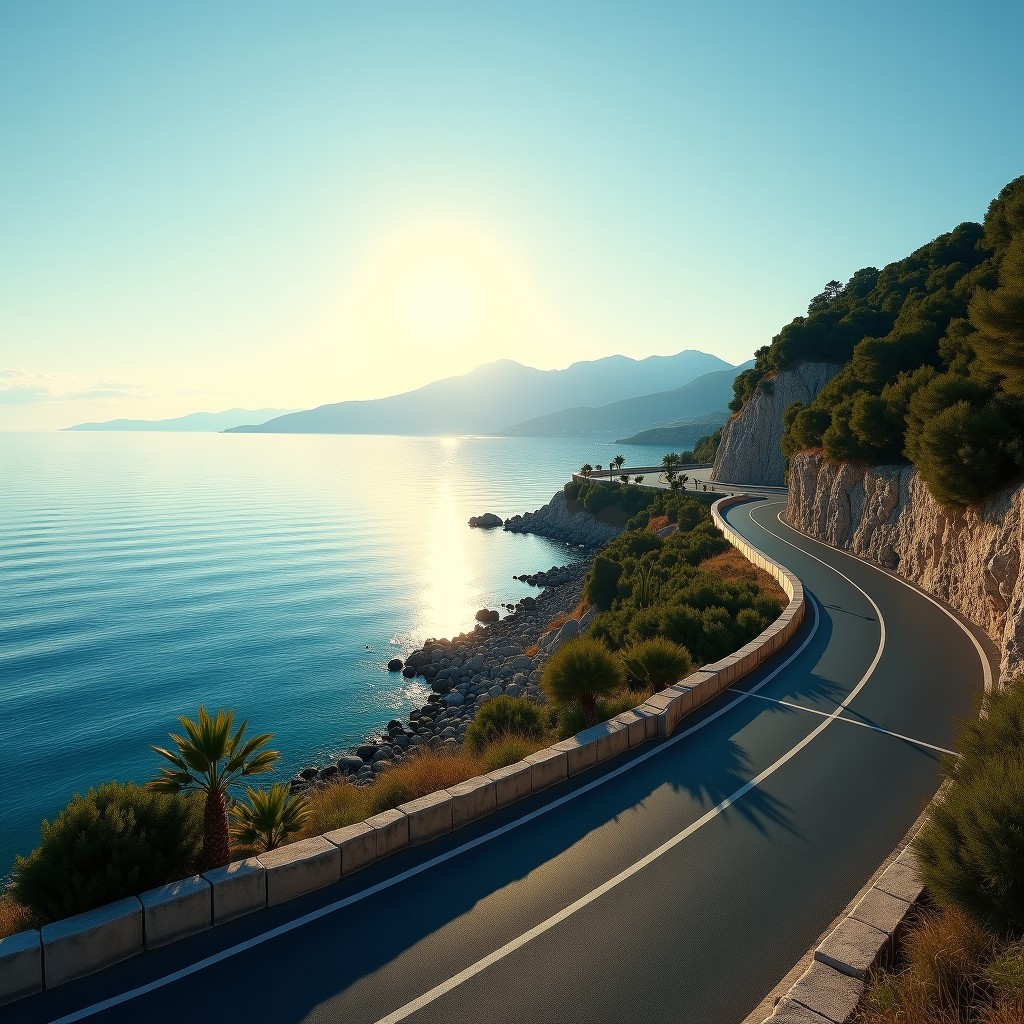
If you have picked up a car at Rijeka Airport and are heading towards Opatija, do not rush straight to your hotel. The stretch between Opatija and Rijeka is only about 12 kilometres, but it is one of the most underrated coastal runs in Croatia. The road hugs the northern lip of the Kvarner Bay, weaving through Belle Époque villas, rocky coves, and terraces that look straight out towards the islands of Krk and Cres.
Most visitors treat this route as a taxi or bus ride. That is a mistake. With a hire car, you can stop at the viewpoints the coaches skip, grab a coffee at a waterfront café that has no tour groups, and time your run for sunset when the Velebit mountains turn pink across the water.
Which Road to Take
The main coastal road is the D8, also called the Jadranska magistrala. It runs right along the shoreline between Rijeka and Opatija. There is a faster inland motorway (the A7), but ignore it for this drive. You want the D8 because every bend opens up a new angle on the bay.
Leave Rijeka from the eastern waterfront near the passenger port and follow signs for Opatija. The road climbs gently above the shoreline, passes through the suburbs of Kostrena and Ičići, then drops into Opatija along a tree-lined boulevard that feels more French Riviera than Balkan coast.
Stops Worth Pulling Over For
Lungomare Walkway at Volosko
About three kilometres before Opatija, you pass the village of Volosko. Park in the small harbour car park (usually free outside July and August) and walk five minutes along the Lungomare coastal path. The rocks here are smooth limestone shelves that locals use as natural sunbathing terraces. The water is deep and clean, and there is none of the crowds you find on the Makarska Riviera beaches.
The Opatija Riviera Viewpoint
Just past Ičići, there is an unmarked lay-by on the right-hand side of the D8. It is only wide enough for two or three cars, so if it is full, loop back after five minutes. The view looks south across the bay to Cres island, with the distant silhouettes of the Velebit peaks behind it. On a clear day, you can see the ferry leaving Merag for Valbiska on Krk.
Angiolina Park
Opatija itself has paid street parking along the waterfront, but the easiest option is the large car park behind the Angiolina Park entrance. From there, walk through the park to the famous Maiden with the Seagull statue on the rocks. The park is full of subtropical plants brought here by 19th-century aristocrats, and it is far more interesting than the over-photographed statue.
Parking: Where to Leave the Car
Parking in central Opatija is not cheap in summer. Expect around €2–3 per hour along the Lungomare waterfront. The car park behind Angiolina Park is slightly cheaper and shaded, which matters in July when interior temperatures can hit 50°C if you leave the car in direct sun.
In Rijeka, the waterfront by the Korzo promenade has metered parking, but the easiest option for a short stop is the multi-storey at Riva, just east of the port. From there, you can walk to Trsat Castle in about twenty minutes if you want to stretch your legs.
If you are continuing south towards Rijeka or north to Pula, remember that the D8 gets busy on Friday evenings and Sunday mornings when locals head to their weekend houses on the islands.
Why This Drive Needs a Hire Car
The bus between Rijeka and Opatija runs every twenty minutes and costs around €4, but it sticks to the main road and does not stop at the viewpoints. Taxis are metered and can be hard to find outside the peak season. With your own car, you control the timing.
The other advantage is flexibility. If the weather turns, you can pivot inland to the hills above Rijeka, where the villages of Grobnik and Čavle have excellent konoba restaurants that tourists rarely find. If the sea is calm, you can linger at Volosko for a swim. That kind of spontaneity is what makes a Croatian coastal trip memorable.
When to Drive It
Spring (April to June) and autumn (September to October) are ideal. The road is quieter, parking is half the price, and the light is softer for photography. In July and August, the D8 crawls with day-trippers from Italy and Slovenia. Early morning (before 8 AM) is the only quiet window in peak season.
Winter is also worth considering if you are in the area. The Kvarner Bay has a mild microclimate, and on a sunny January day, you can have the Lungomare almost to yourself.
Where Next?
This short drive works as an introduction to the Kvarner region. From Opatija, you can continue east towards the islands of Krk (reachable by bridge from Rijeka) or head south on the D8 towards Senj and Zadar. If you want a longer day out, drive south to Split via the coastal road — it is a full day, but the section between Karlobag and Zadar is among the best driving roads in Europe.
For a complete overview of where you can take a rental car across borders, see our guide to cross-border travel from Croatia.
Related Destinations
Looking for car hire nearby? Also explore Rijeka, Pula, and Split. If you are flying into Krk Airport, our Rijeka Airport car hire guide has pickup tips and local driving rules.
Ready to book? Visit our homepage for the best hire car deals.